
Belonging as the Heart of Inclusion
In this edition of the LINC Blog, LINC National Coordinator Claire Butterly reflects on belonging as the heart of inclusive practice in Early Learning and Care and School-Age Childcare settings. Drawing on the principles of Aistear, Síolta and the Diversity, Equality and Inclusion Guidelines, Claire explores how belonging is not an added extra within inclusion but its very foundation. From babies forming secure attachments, to toddlers developing independence, to young children and school-age children finding their voice and identity, a sense of belonging shapes how children experience relationships, learning and participation every day.
Claire invites educators to consider how intentional, reflective practice can nurture secure relationships, honour children’s funds of knowledge from home and community, and create environments where every child feels welcomed, valued and respected. Because when belonging is prioritised, inclusion becomes lived practice rather than policy, and every child can experience aoibhneas croí, a true gladness of heart.
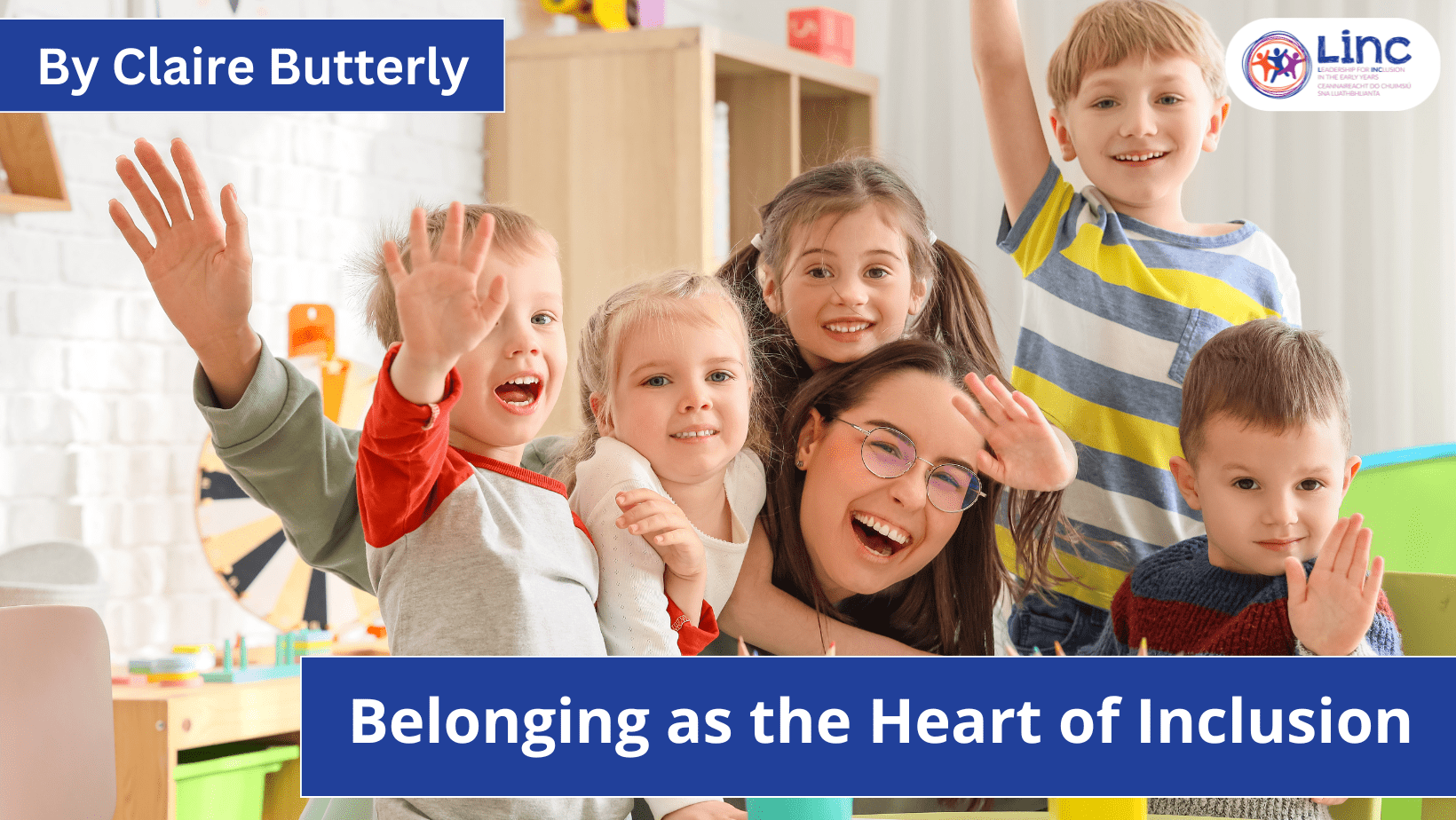
Inclusion begins with a feeling. Before children can engage in learning, build relationships or explore their environment, they need to feel that they belong. A sense of belonging is not something that develops later; it is formed from a child’s very earliest experiences and remains central throughout childhood. Aistear (GoI 2024) identifies identity and belonging as one of its core themes, recognising that children thrive when they experience strong secure relationships and feel connected to the people and places around them. Similarly, Síolta (DES 2017) places relationships and interactions at the heart of quality practice, recognising that emotional wellbeing is foundational to all learning and development. The DEI Guidelines (DCYA 2016) further emphasise belonging as a right, not a privilege, for every child in early learning and care (ELC) and school age childcare (SAC) settings. Within our LINC Competency Framework (LINC Consortium 2026) inclusion is grounded in the principle that all children are welcome within Early Learning and Care (ELC) and School Aged Childcare (SAC) settings, and that practice must be responsive to each child’s identity, strengths and areas of support.
Belonging through Relationships
The lives of babies, toddlers, young children and school aged children are enriched by those who nurture and care for them (GoI 2024). Relationships are the foundation through which belonging is experienced across all stages of childhood.
Babies
For babies, belonging is experienced through consistent, responsive relationships. Being held, comforted, spoken to warmly and responded to promptly builds trust and emotional security. A key person who recognises a baby’s cues and routines supports the development of secure attachment, which Síolta (DES 2017) identifies as critical to well-being and development.
When babies feel safe, they are more likely to explore their environment, engage with others and develop early communication skills. Small moments like eye contact, gentle touch, a calm voice are powerful acts of inclusion.
Toddlers
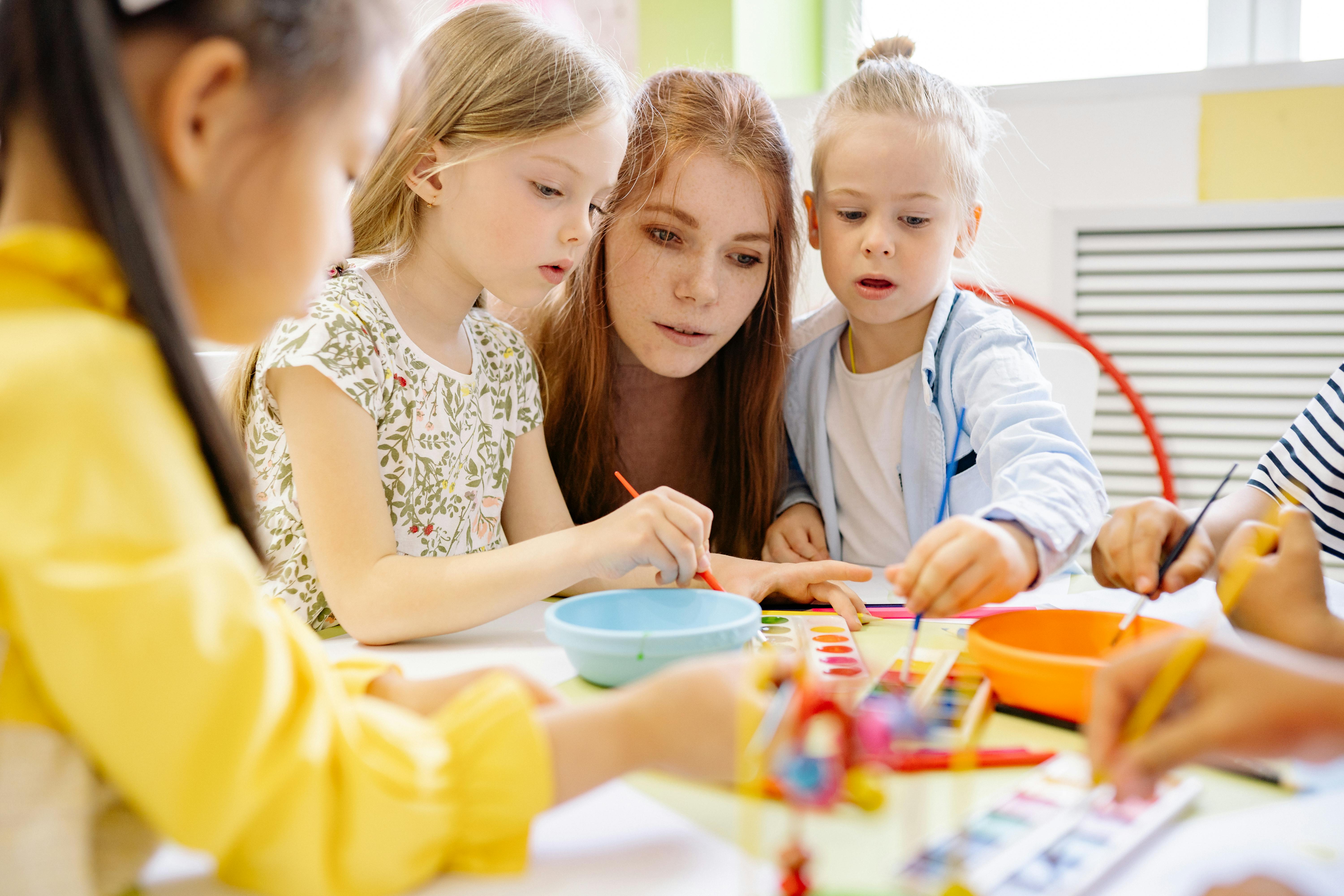
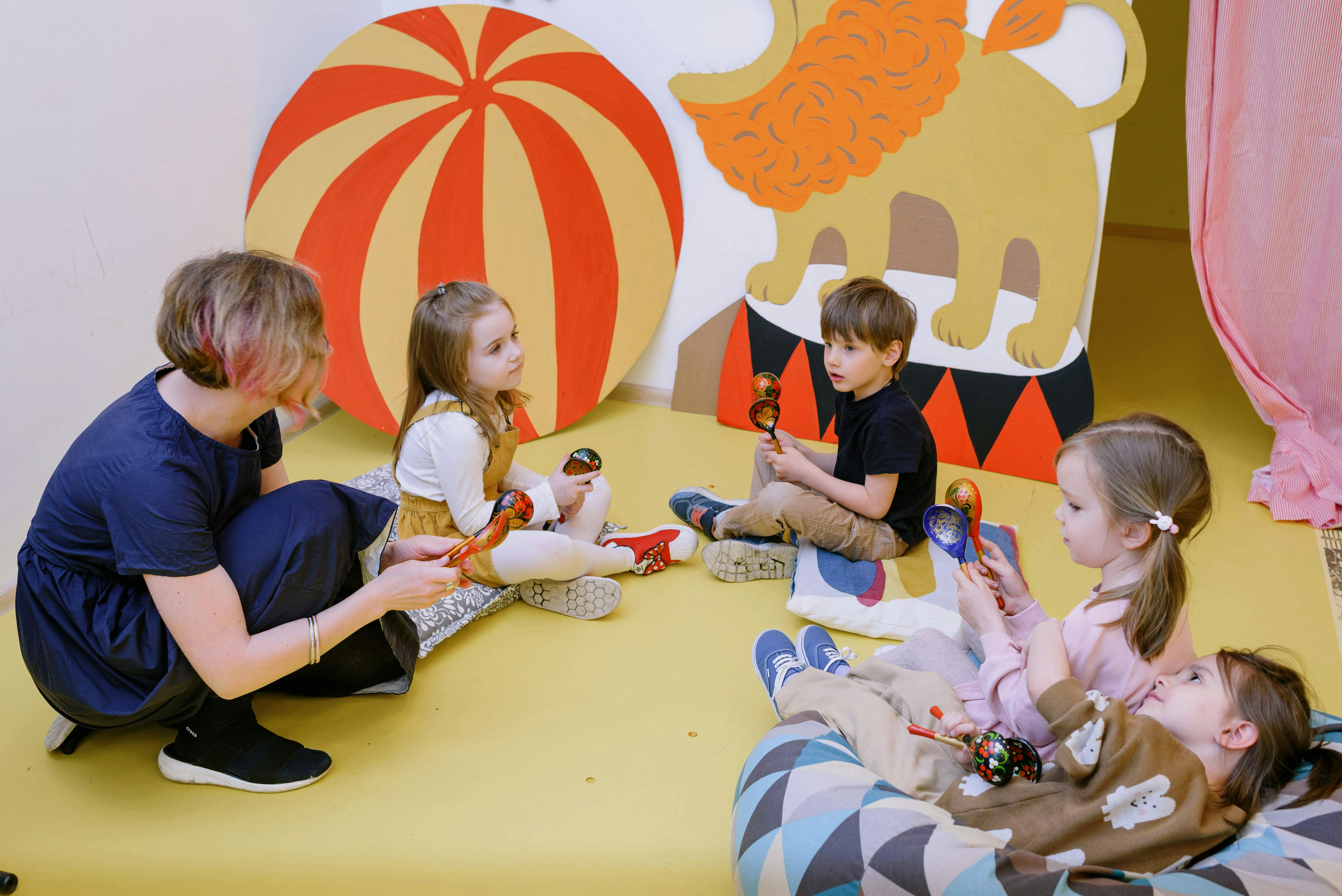
Toddlers develop a growing awareness of themselves as individuals. Their sense of belonging is strengthened when their emerging independence is respected while they continue to feel emotionally supported. Predictable routines, familiar educators and opportunities to make simple choices help toddlers feel secure and capable.
Aistear (GoI 2024) highlights the importance of respecting toddlers’ attempts to communicate and engaging in scaffolding, modelling and co-regulation to support learning and development. When toddlers feel understood, they are more likely to develop confidence and positive relationships.
Young Children
For young children, belonging becomes increasingly connected to peer relationships, identity and participation. Seeing their family, culture, language and experiences reflected in the environment supports a strong sense of self. Inclusive practice at this stage involves ensuring that all children can participate meaningfully in play, routines and learning experiences.
The DEI Guidelines (DCYA 2016) encourage educators to embed diversity and inclusion into everyday practice. When children see themselves reflected authentically, they learn that difference is valued and respected.
School-Age Children
School-age children continue to need belonging, even as they become more independent. They value being listened to, having a voice in decision-making, and feeling respected by educators and peers. Belonging at this stage is supported through opportunities for collaboration, responsibility and meaningful participation.
Inclusive school-age childcare environments recognise that children bring different experiences from school and home and may need space to regulate, connect and unwind. Feeling accepted as they are supports emotional well-being and resilience.
Across all ages, belonging is about more than familiarity. It is about children experiencing secure relationships and a feeling of aoibhneas croí (a gladness of heart) with the people in their lives. This emotional connection underpins children’s confidence, resilience and willingness to participate
Valuing Funds of Knowledge from Home, Family and Community
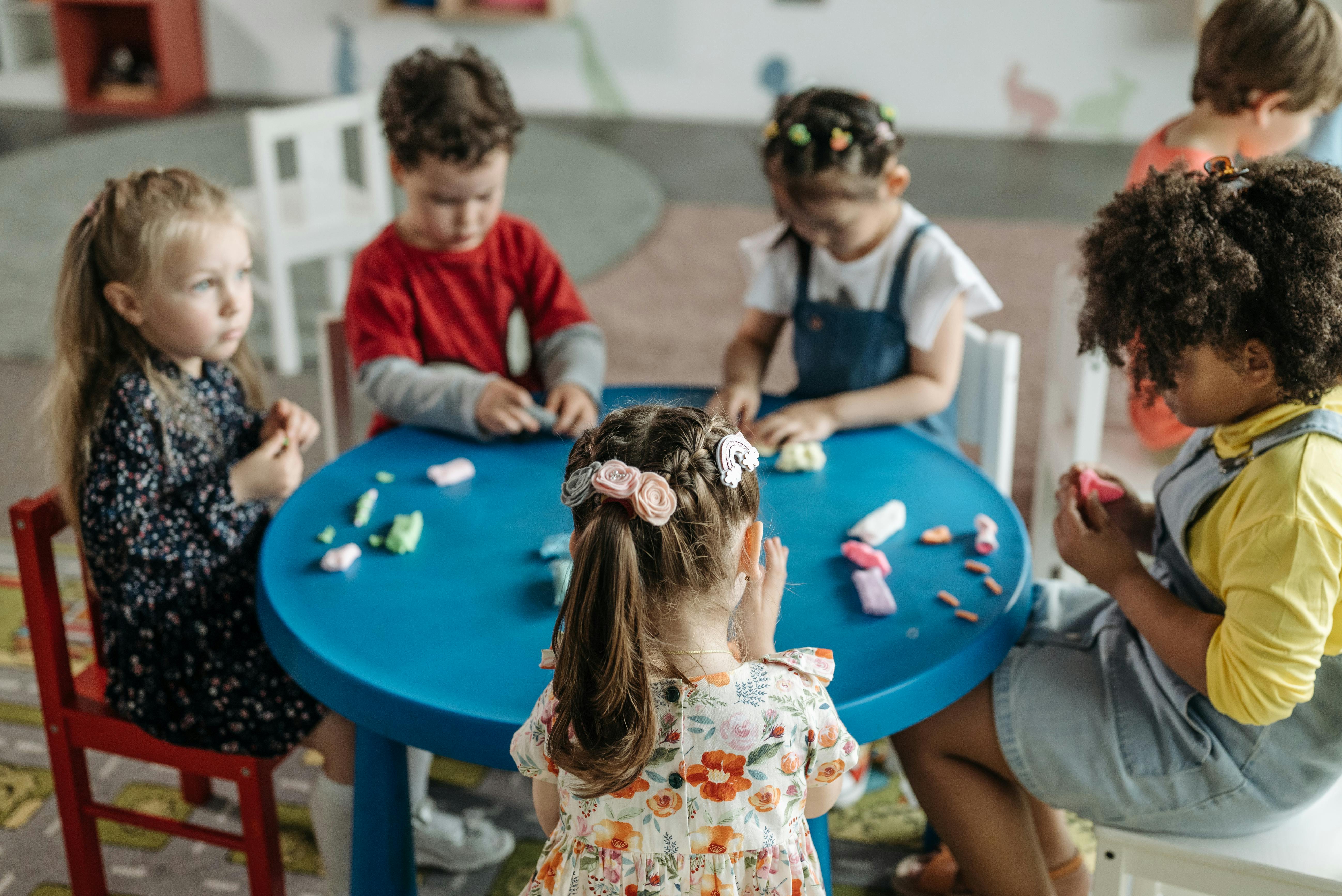
Children do not arrive in early learning and care or school-age childcare settings as blank slates. They bring with them rich funds of knowledge from their baile (home), family and lived experiences (GoI 2024). These include languages, traditions, routines, values and ways of interacting that shape children’s identity and understanding of the world.
Aistear (GoI 2024) highlights that sharing children’s funds of knowledge supports identity development and strengthens a sense of belonging. When educators make space for children’s experiences through play, conversation, routines and resources children feel seen and respected. This might involve acknowledging home languages, incorporating familiar cultural practices, or building on interests that emerge from family and community life.
Belonging extends beyond the early learning and care and school aged childcare setting to include the wider community. Children’s identities are shaped not only by their families but also by the communities in which they live. Inclusive practice recognises the importance of helping children feel connected to their local environment and community networks. When children experience continuity between home, community and the setting, they are more likely to feel secure, confident and engaged.
The Role of Educators in Fostering Belonging
Educators play a central role in creating a sense of belonging. This begins with relationships through slowing down, tuning in and responding sensitively to children’s cues. Warm greetings, consistent key person approaches and respectful communication all contribute to children feeling safe and valued.
Belonging is also supported through routines that are predictable yet flexible. Consistency helps children feel secure, while flexibility allows educators to respond to individual needs. This balance is particularly important for children who may experience anxiety, extra support needs or transitions.
Reflective practice is essential. Inclusive practice asks educators to consider:
- Who feels a strong sense of belonging in this setting?
- Whose voices are heard and whose may be overlooked?
- How do our expectations, routines or environments support or hinder belonging?
Both Síolta (DES 2017) and the DEI Guidelines (DCYA 2016) emphasise the importance of ongoing reflection to ensure that inclusion is meaningful rather than assumed.
Belonging as Intentional Practice
Belonging is not accidental. It is created through intentional, thoughtful practice that recognises each child as a competent, unique individual. Inclusive environments do not expect children to fit in; they adapt to meet children where they are.
When children feel that they belong, they are more likely to engage, explore and thrive. By placing belonging at the heart of inclusion, educators create environments where all children; babies, toddlers, young children and school-age children; can feel safe, valued and supported to reach their full potential.
References:
Department of Children and Youth Affairs (DCYA) (2016) Diversity, Equality and Inclusion Charter and Guidelines for Early Childhood Care and Education, available: https://aim.gov.ie/app/uploads/2021/05/Diversity-Equality-and-Inclusion-Charter-and-Guidelines-for-Early-Childhood-Care-and-Education.pdf
Department of Education and Skills (DES) (2017) Síolta: The National Quality Framework for Early Childhood Education, available: https://www.siolta.ie/pdfs/siolta-manual-2017.pdf
Government of Ireland (GoI) (2024) Aistear: The Early Childhood Curriculum Framework, available:https://www.curriculumonline.ie/getmedia/1e9e4eff-5d44-4950-bfa6-a28f43895d3f/Aistear-FW-ENG.pdf
LINC Consortium (2026) LINC Competency Framework; Limerick: LINC Programme

Claire Butterly
LINC National Coordinator</p> <p>
With a strong academic background and practice experience in early childhood education and care, Claire is deeply committed to advancing inclusion and professional development with the sector. She holds a Master of Arts in Child, Youth and Family Studies and Bachelor of Arts in Early Childhood Education and Care programme, both from IT Carlow and a Post Graduate Diploma in Mentoring, Management and Leadership from TU Dublin.
Claire’s career spans a wide range of roles in early childhood settings, being an Early Years Quality Mentor and a tutor in early childhood education and care programmes. From 2016 to 2021, Claire contributed to the LINC programme as a tutor, and later took on the role of Lead Content Developer and LINC+ CPD programme tutor from 2021 to 2022.
Currently, Claire is pursuing a PhD through the Department of Reflective Pedagogy and Early Childhood Studies. Her research explores the recruitment, role, and function of educators funded under the Access and Inclusion Model.
Claire’s further interests include the development and professionalisation of the early childhood sector, early childhood inclusion, and amplifying the voices of students and educators in shaping policy and practice. Her work is dedicated to fostering a more inclusive and effective early childhood education and care system that meets the diverse needs of children, educators, and families across the country.
You may also like:
Leading for Belonging: The INCO Role in Supporting Traveller and Roma Families
Leading for Belonging: The INCO Role in Supporting Traveller and Roma Families In this edition of the LINC Blog, Former LINC Tutor Maricica Bibu explores the important role of the Inclusion Coordinator (INCO) in supporting Traveller and Roma children and families...
The Joy of Reading: An Inclusion Coordinator’s Guide to an Inclusive World Book Day
The Joy of Storytelling: An Inclusion Coordinator’s Guide to an Inclusive World Book Day In this edition of the LINC Blog, LINC National Coordinator Claire Butterly explores The Joy of Storytelling: An Inclusion Coordinator’s Guide to an Inclusive World Book Day....
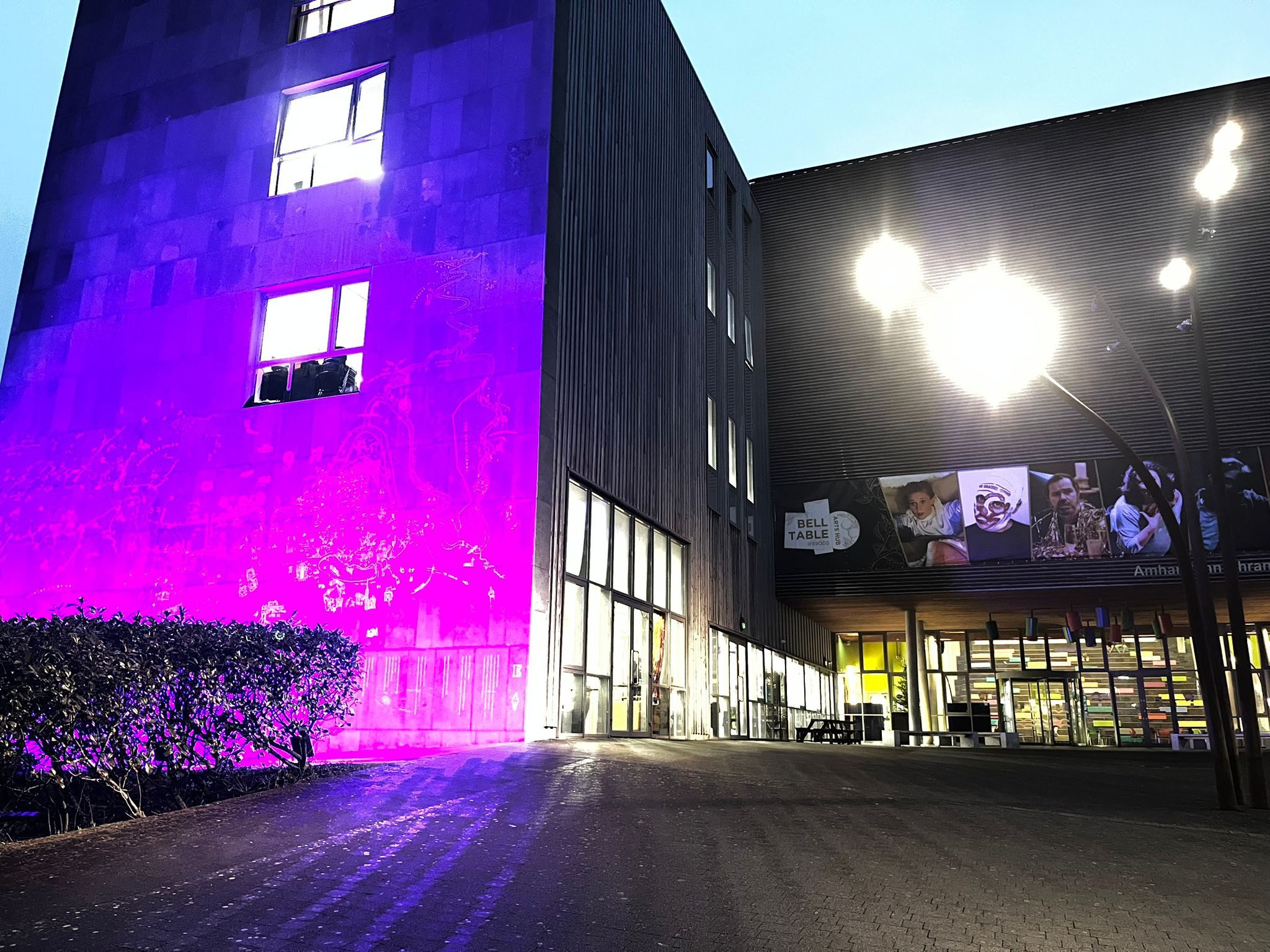
LINC Shines a Light on Inclusion for the International Day of Persons with Disabilities 2025
LINC Shines a Light on Inclusion for the International Day of Persons with Disabilities 2025 The Leadership for INClusion in the Early Years (LINC) Programme marked the United Nations International Day of Persons with Disabilities (IDPD) this evening by illuminating...