
Creating a Sensory Space
In this edition of the LINC blog, Claire Butterly, Karina Abbott, Ann Donnellan, Carole Dee, Linda Madden, Margaret Joyce and Paula Harte highlight some considerations when planning a sensory space in your Early Learning and Care setting.
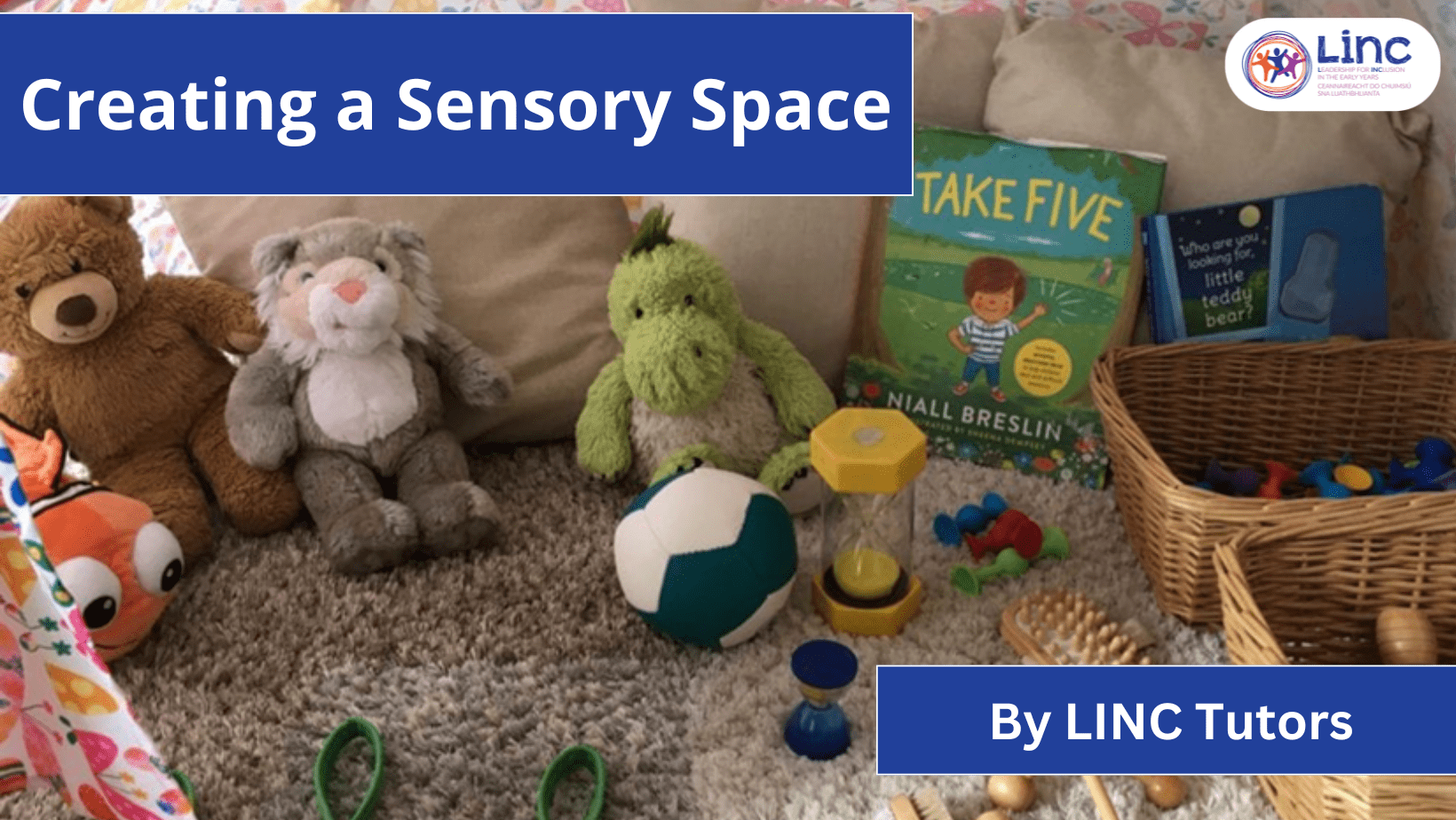
Photo of the sensory space in Linda’s Preschool in Roscommon
Children learn through sensory experiences and their connections with peers and adults. Providing children with opportunities to explore their world through their senses is one of the greatest gifts we can provide.
Why are sensory experiences important?
Sensory experiences play a vital role in young children’s learning, wellbeing, and overall development. In Early Learning and Care (ELC) and School Aged Childcare (SAC) settings, a thoughtfully designed sensory space can offer children a place to explore, rest, regulate, and engage deeply with their environment. Whether you have the room to create a dedicated sensory room or are working with a smaller area within the main classroom, sensory experiences can significantly enrich children’s daily lives. This blog explores the importance of sensory experiences, offers practical ideas for designing sensory spaces, and outlines how sensory play supports children’s holistic development.
Understanding Sensory Processing
Sensory processing refers to how children receive, interpret, and respond to information from their senses of touch, sight, sound, smell, taste, proprioception (body awareness), and vestibular (movement and balance). Effective sensory experiences help children regulate their emotions, focus attention, learn new concepts, and feel safe and secure in their environment. When sensory needs are acknowledged and supported, children are better able to engage confidently in play and learning.
Why sensory experiences matter
Sensory experiences enrich many aspects of children’s learning and development. They support:
- Language and Cognitive Development: Children naturally use descriptive language when exploring sensory materials, which supports vocabulary development. Sensory play also encourages problem-solving and reasoning. For example, during water play, children begin to understand concepts such as sink and float through hands-on experimentation.
- Motor Skills and Body Awareness: Activities that involve squeezing, pouring, pushing, stretching, or rolling strengthen fine and gross motor skills. Active sensory experiences support balance, body awareness, and coordination.
- Social and Emotional Development: Sensory play often promotes collaboration and shared play experiences. Through materials like water, sand, playdough, and gloop, children test ideas together, negotiate roles, and build relationships. Sensory spaces also support emotional regulation by offering calming stimuli such as soft lighting or rhythmic movement.
- Learning Dispositions: Sensory experiences nurture dispositions such as curiosity, persistence, resilience, concentration, independence, confidence, and joy in learning, all key principles of Aistear and Síolta.
Planning a sensory space in your setting
When designing a sensory area, consider the individual sensory differences of all children. Gathering input from children and colleagues ensures the space reflects genuine needs and interests. Below are key considerations for designing a meaningful sensory space.
LOCATION
Selecting a quiet area in the room helps children use the space for rest, calming, and exploration without unnecessary noise. Place the sensory area near calm spaces like the reading corner rather than the construction area. Where space is limited, a portable sensory box can provide flexible sensory opportunities.
SOUND
Auditory experiences can be encouraged through musical instruments, sensory sound bottles, or recordable buzzers such as those found in the AIM Inclusive Play Pack. Homemade sensory bottles are a simple, cost-effective way to enrich the space.
SIGHT
Lighting plays an essential role. Items such as Dark Den Cubes or Pop-Up Dens can create enclosed spaces, while fairy lights, bubble lamps, lightboxes, or disco lights provide gentle illumination. Keep colours on surrounding walls soft and calming; natural tones like white, blue, and green help avoid overstimulation. Mirrors are useful for self-awareness and mindfulness. DIY sensory items, such as homemade sensory bottles or light tables, can be created with the children, promoting ownership and engagement.
SMELL
Scents can be introduced naturally through flowers, herbs, and other outdoor materials. Smelling jars or scented playdough (e.g., lavender or vanilla) can also enhance calming sensory experiences. Always check for allergies before introducing scented materials.
TASTE
Taste can be explored by offering small snacks as part of the sensory experience. Books like The Very Hungry Caterpillar can inspire food exploration through fruits and textures. Children can also help prepare simple snacks, supporting independence and practical life skills. Scented playdough provides a gentle, taste-related sensory link.
TOUCH
Tactile materials such as massage balls, textured fabrics, fidget toys, or items from the AIM Inclusive Play Pack create a rich sensory environment. A texture board or sensory wall made from a variety of materials can offer ongoing tactile exploration. Natural items such as pinecones, shells, smooth stones add variety and connection to the environment.
BREATHING
Breathing and mindfulness activities can greatly enhance the calming purpose of a sensory space. You might introduce simple breathing exercises or guided relaxation activities, supported by children’s books such as Niall Breslin’s Take Five, The Chill Skill, and The Magic Moment. These books are designed to help children understand their emotions and practice mindfulness in a child-friendly way. Breslin’s Mindful Moments podcast, available on YouTube and podcast apps, can also be played to gently guide children through short meditation or breathing practices.
MOVEMENT
Movement-based sensory experiences help children develop spatial awareness, motor skills, and emotional regulation. Materials included in the AIM Inclusive Play Pack such as the teeter popper, balance tools, exercise balls, or dancing ribbons can be excellent additions to a sensory space. These items allow children to use their whole bodies to explore and regulate their senses, adding a dynamic and physical dimension to your sensory environment.
VISUAL SUPPORTS
Visual supports can help the sensory space function smoothly, particularly if it is small or shared among many children. Introducing a simple visual timer or sand timer encourages children to take turns fairly and helps them understand how long they can spend in the space. This supports children’s self-regulation and reduces frustration, especially in busy environments.
Safety Considerations
Safety is essential when planning sensory environments. Ensure all items are age-appropriate, non-toxic, and free from choking hazards. Electrical items should be CE approved and included in risk assessments. Always check for allergies, particularly when introducing scents, foods, or natural materials. Continuous supervision ensures that the sensory space remains safe, calm, and supportive for all children.
Partnering with Families
Families can contribute valuable ideas and even simple materials for sensory play. Sharing information about the purpose of your sensory space can help families understand how to support sensory experiences at home. Providing easy, low-cost sensory activity ideas helps strengthen the partnership between home and the ELC or SAC setting.
Introducing sensory experiences and spaces into your Early Learning and Care and School Aged Childcare setting supports children’s wellbeing, learning, and holistic development. Sensory environments do not need to be elaborate or expensive; simple, thoughtful additions can significantly enhance children’s experiences. Remember, sensory spaces are not only beneficial for children with additional needs; all children can enjoy and gain from them. By approaching sensory play with creativity, curiosity, and intention, you can create nurturing environments that support exploration, regulation, and joyful learning.
References
Breslin, N. (2020) Mindful Moments for Children: Episode 1:Colour Breathing, available: https://www.bing.com/videos/search?q=niall+breslin+mindful+moments&&view=detail&mid=96121B89F9E612AC4DA696121B89F9E612AC4DA6&&FORM=VRDGAR&ru=%2Fvideos%2Fsearch%3Fq%3Dniall%2Bbreslin%2Bmindful%2Bmoments%26FORM%3DHDRSC4 [accessed 13th May, 2021].
Carrots are Orange (2021) How to Make your own Montessori Smelling Bottles, [online], available: https://carrotsareorange.com/diy-smelling-bottles/ [accessed 13th May, 2021].
Early Years Resources (2021) The Importance of Sensory Play For Early Years, [online], available: https://www.earlyyearsresources.co.uk/blog/2018/02/sensory-play-importance/ [accessed 13th May, 2021].
Morin, A. (2021) How to Make a Sensory Bottle [online], available: https://www.understood.org/en/learning-thinking-differences/child-learning-disabilities/sensory-processing-issues/how-to-make-a-sensory-bottle [accessed 13th May, 2021].
Peace but not Quiet: Celebrating a curious, noisy life with children (2021) Exploring sounds kids shakers can make, [online], available: https://peacebutnotquiet.com/exploring-sounds-kids-can-make-shakers/ [accessed 13th May, 2021].
Play at Home Mom LLC (2021) Sensory Activities, [online], available: http://www.playathomemomllc.com/category/sensory-activities/ [accessed 13th May, 2021].
You may also like:
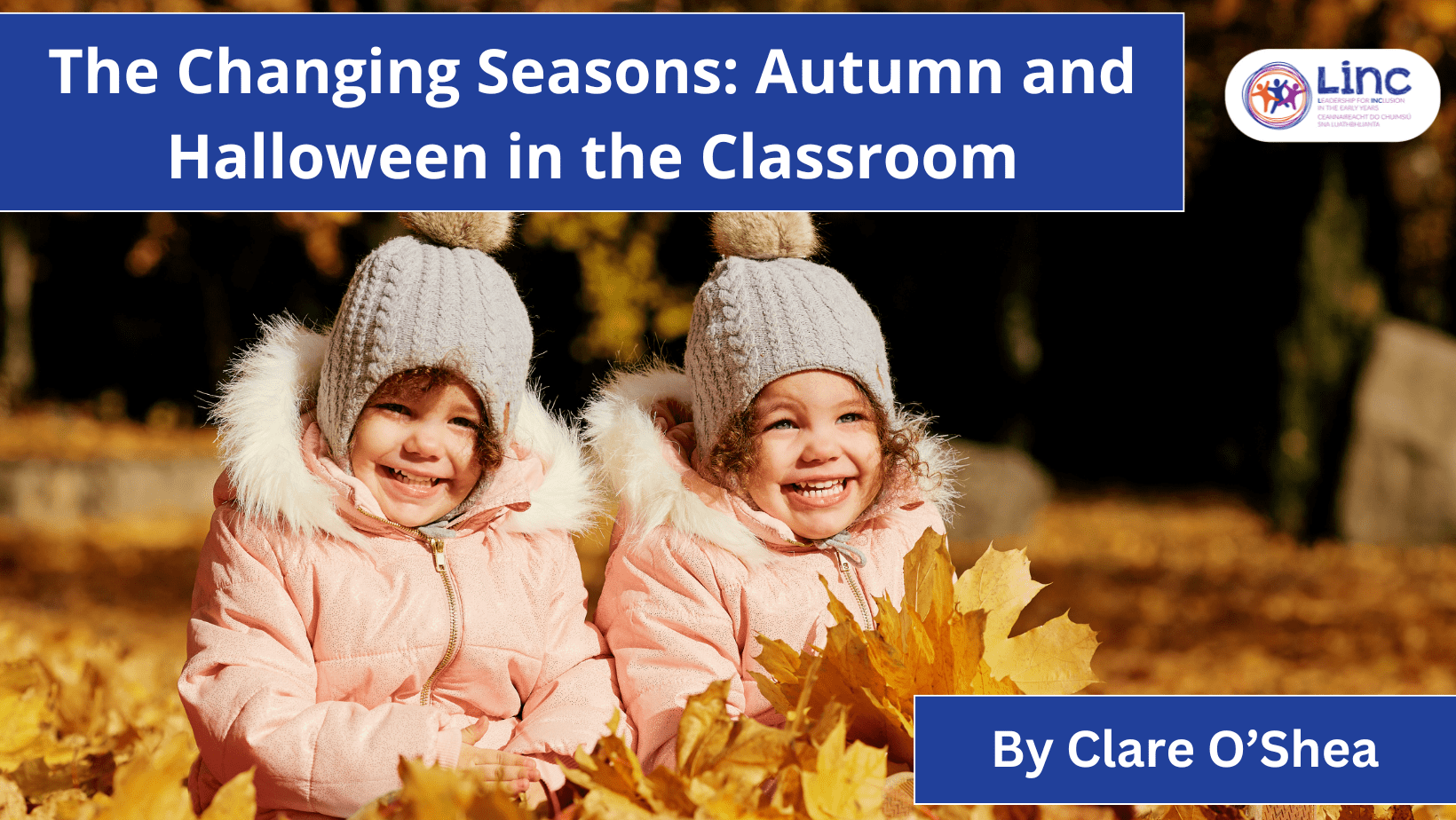
The Changing Seasons: Autumn and Halloween in the Classroom
The Changing Seasons: Autumn and Halloween in the Classroom In this edition of the LINC Blog, “The Changing Seasons: Autumn and Halloween in the Classroom,” LINC tutor Clare O’Shea shares activity ideas, reflections on Aistear’s themes, and practical tips for making...
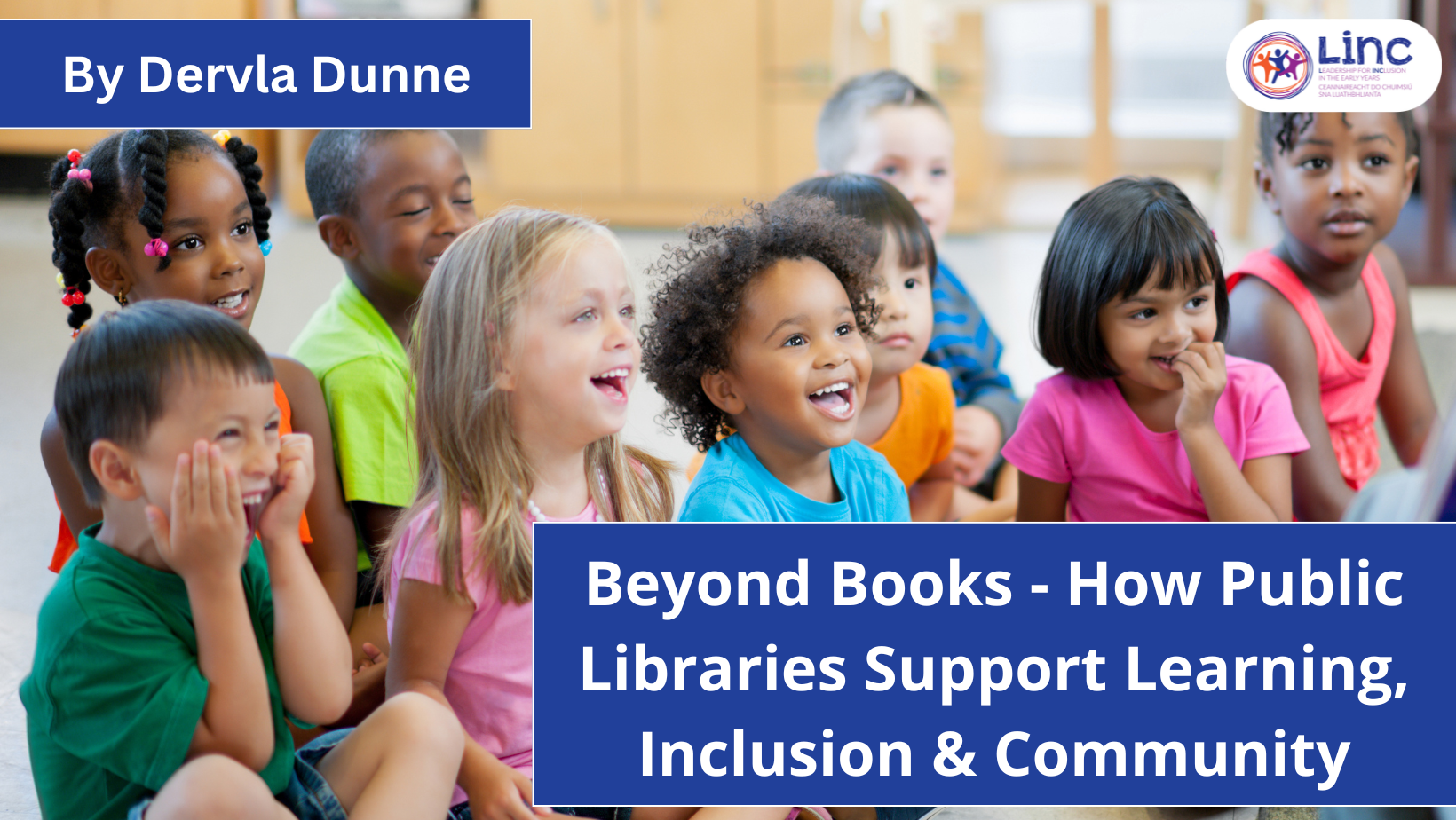
Beyond Books – How Public Libraries Support Learning, Inclusion and Community
Beyond Books - How Public Libraries Support Learning, Inclusion & Community In this edition of the LINC Blog, “Beyond Books – How Public Libraries Support Learning, Inclusion & Community”, Dervla Dunne, A/Librarian at Wexford Town Library, takes us on a tour of...
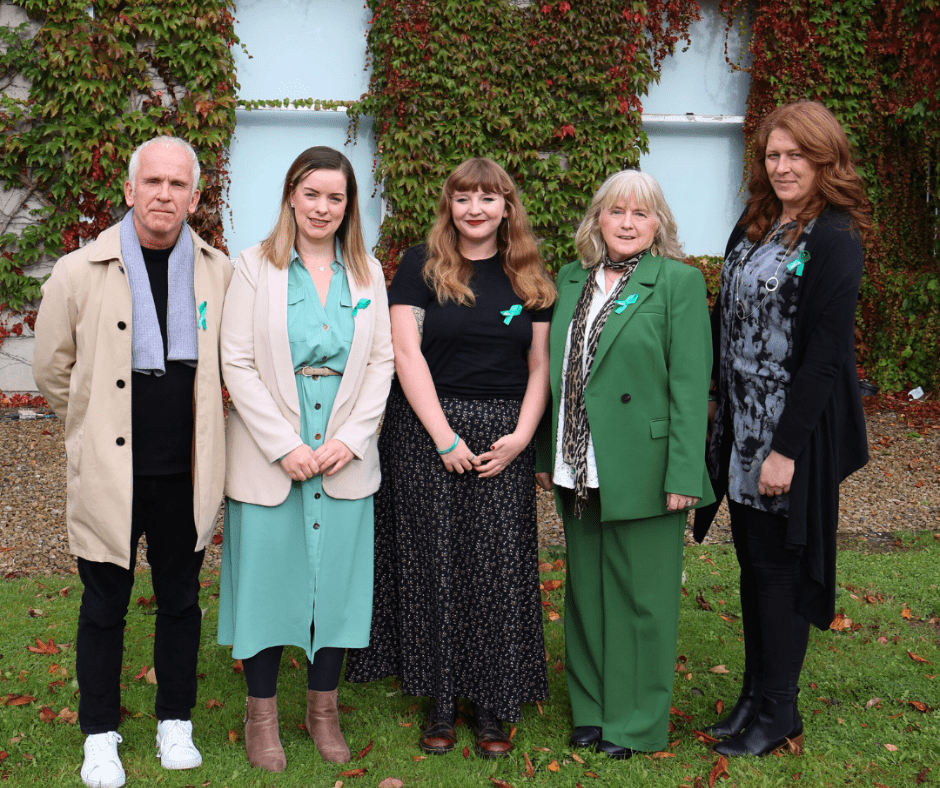
The LINC Programme and MIC Support Shine’s 2025 Green Ribbon Campaign: Step Up to Stamp Out Stigma
The LINC Programme and MIC Support Shine’s 2025 Green Ribbon Campaign: Step Up to Stamp Out StigmaThe Leadership for Inclusion in the Early Years (LINC) Programme and Mary Immaculate College (MIC) are proud to once again support the national Shine Green Ribbon...