
Leading for Belonging:
The INCO Role in Supporting Traveller and Roma Families
In this edition of the LINC Blog, Former LINC Tutor Maricica Bibu explores the important role of the Inclusion Coordinator (INCO) in supporting Traveller and Roma children and families within Early Learning and Care (ELC) and School Age Childcare (SAC) settings. Drawing on her experience as a LINC graduate, INCO and tutor, Maricica reflects on how inclusive leadership, meaningful relationships and culturally responsive practice can strengthen belonging for all children. She highlights practical ways in which educators can create welcoming environments, support participation and work in partnership with families and communities. This blog emphasises the importance of intentional, reflective practice in ensuring that inclusion is embedded in everyday experiences, supporting every child to feel respected, valued and included.
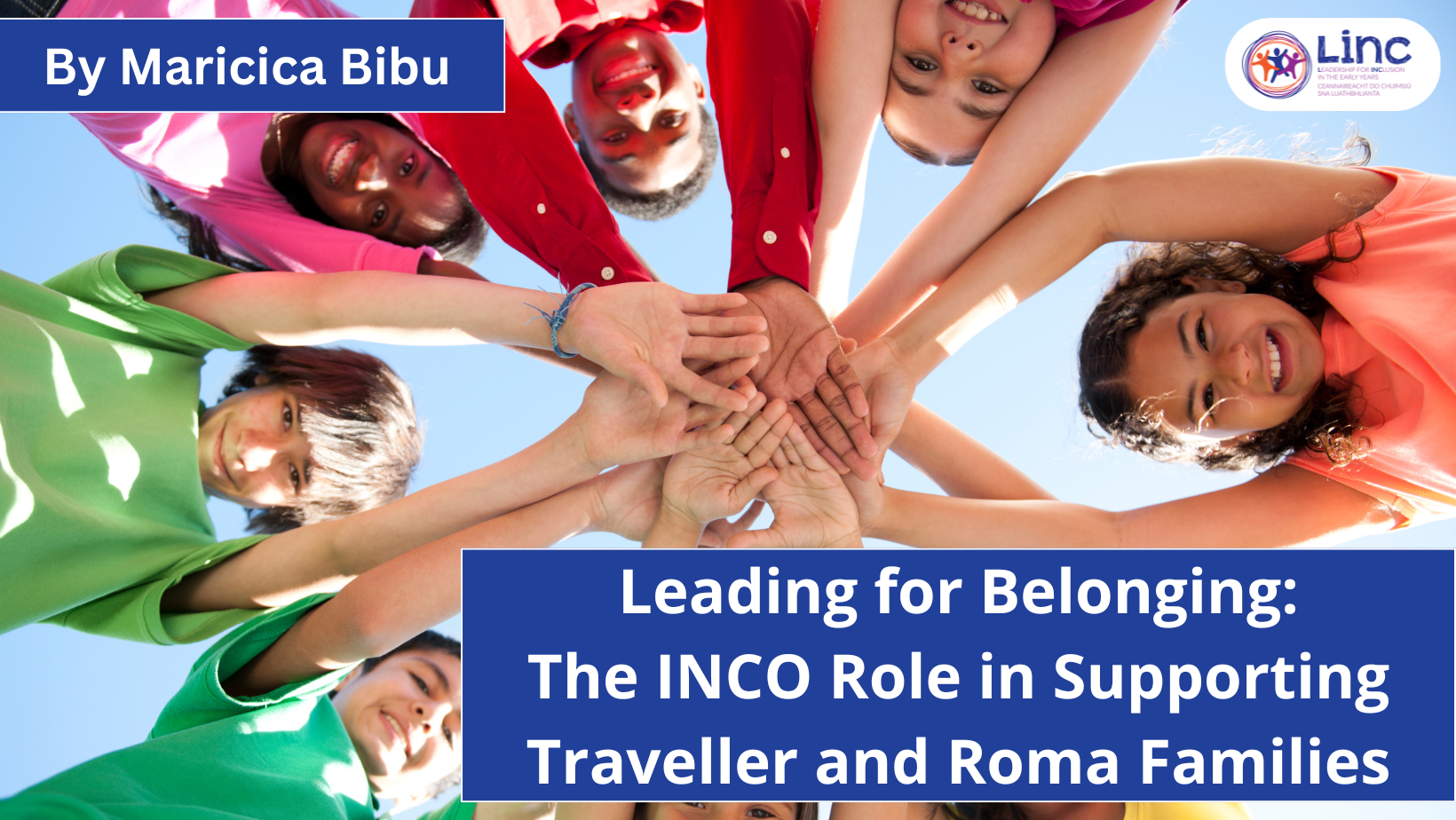
As a former tutor on the Leadership for INClusion in the Early Years (LINC) Programme, I have the privilege of supporting early years educators as they develop the skills and confidence to lead inclusive practice in their settings. When they graduate, these educators take on the role of Inclusion Coordinator (INCO), bringing their learning into everyday practice to strengthen belonging for all children and families. This role is particularly meaningful when supporting Traveller and Roma children.
National policy, such as the Traveller and Roma Education Strategy 2024–2030, highlights the importance of early years education in promoting participation, positive transitions, and long-term educational outcomes for Traveller and Roma children. Within the LINC Competency Framework, we discuss with students how similarities and differences are acknowledged, respected and celebrated within their settings (LINC Consortium 2016-2026). Early Learning and Care (ELC) and School Age Childcare (SAC) settings therefore play an important role in creating welcoming environments where every family feels respected and included.
Why Belonging Matters
Every child arrives with their own experiences, culture, and family story. For Traveller and Roma children, ELC and SAC settings can be an important place where identity is recognised and valued. Belonging supports children’s engagement and attendance; positive relationships; confidence and wellbeing and positive transitions. The INCO helps ensure that belonging is intentionally planned for, not left to chance.
The INCO Role in Practice
Graduates of the LINC programme are prepared to lead inclusive culture, practice and pedagogy across their settings by:
- supporting colleagues
- developing inclusion-focused action plans
- engaging with families
- embedding equality and diversity into everyday routines
For Traveller and Roma families, this leadership often centres on relationships, flexibility, and culturally responsive practice. A strong understanding of legal and ethical responsibilities supports INCOs to ensure fairness, respect, and equitable participation for all children.
Building Relationships with Families
Positive relationships are central to inclusion. Some Traveller and Roma families may be accessing ELC or SAC services for the first time, so clear communication and consistency are especially important. INCO-led approaches may include:
- welcoming conversations during settling-in
- flexible communication methods
- clear explanations of routines and expectations
- opportunities for parents to share information about their child
Small relational practices can make a significant difference in helping families feel comfortable and confident in the setting. Reflection is also important. Taking time to reflect on our own assumptions, language, and expectations helps educators create more responsive environments.
Making Culture Visible
Representation supports children’s identity and sense of pride. Cultural visibility does not require large events; it can be embedded in everyday practice. Examples include:
- books that reflect Traveller and Roma families
- music, storytelling, and visual materials
- celebrating events such as International Traveller and Roma Day and Traveller Pride Week
- inviting families to share traditions or experiences, if they wish
Working with families and community organisations helps ensure that representation is meaningful and authentic.
Supporting Participation
Inclusion Coordinators often help services consider how routines and structures can support consistent participation. Practical strategies may include:
- flexible settling-in approaches
- personalised transition supports (welcome books, photos, visual routines)
- clear communication about ECCE, NCS and other supports
- predictable daily routines
Using approaches such as Universal Design for Learning (UDL) supports environments that are accessible and responsive to a wide range of needs.
Working in Partnership
Partnership with organisations such as Pavee Point can provide valuable guidance, resources, and professional learning opportunities. Collaboration strengthens practice and supports settings to develop culturally responsive approaches. Engaging with Better Start AIM and QDS Early Years Specialists can also provide settings with advice and support.
Equally important is ensuring that family voice informs decision-making within the service. When parents are invited to contribute ideas and feedback, inclusion becomes a shared process.
Reflection and Ongoing Learning
The INCO role includes supporting reflective practice among staff. Inclusion is not a single initiative but an ongoing process of learning, adapting, and strengthening practice.
Professional learning in areas such as intercultural practice, anti-bias approaches, and inclusive pedagogy helps teams continue to grow in confidence when supporting Traveller and Roma children. Engaging in the Diversity, Equality and Inclusion Charter and Guidelines training with local City and County Childcare Committees can also be beneficial.
My own journey: completing LINC, working as an INCO, and supporting students as a tutor; has reinforced how important reflection and continued professional development are in leading inclusive practice.
Leading for Belonging
The LINC programme prepares educators to lead inclusion in ways that are practical, collaborative, and grounded in everyday interactions. For Traveller and Roma families, belonging is strengthened when settings:
- prioritise relationships
- make culture visible
- remove practical barriers
- listen to family voice
- support positive transitions
Inclusion Coordinators play an important role in guiding this work across the team. Belonging grows through consistent, thoughtful practice and small actions can have a lasting impact on children, families, and settings.


References
Baker, D. (2021) An Investigation into Challenges Surrounding Access to Early Childhood Care and Education for Traveller Children. MA thesis. Cork Institute of Technology. Available at: https://sword.cit.ie/cgi/viewcontent.cgi?article=1036&context=allthe (Accessed: 3 September 2025).
Government of Ireland (2024) Traveller and Roma Education Strategy 2024–2030. Department of Education. See Section 3.2 “Early Years Education”, pp. 12–14. Available at: https://www.earlychildhoodireland.ie/traveller-and-roma-education-strategy-2024-2030/ (Accessed: 3 September 2025).
Kenny, M. (2024) Travellers and Roma in Education and Training: Overview of Provision and Engagement. Pavee Point. See “Early Childhood Education”, pp. 6–14. Available at: https://www.paveepoint.ie/wp-content/uploads/2024/03/Pavee-Pt.-Travellers-Roma-Education-Training-MK-FINAL-Wed-6-March-2024-1-1-3.pdf (Accessed: 3 September 2025).
LINC Programme (2025) Leadership for INClusion in the Early Years (LINC). Mary Immaculate College. Programme overview. Available at: https://lincprogramme.ie/ (Accessed: 3 September 2025).
Maynooth University (2025) The TUTOR Project Inclusive Education Programme: Learner Manual. Maynooth: Maynooth University
Reilly, T. and Murray, C. (2021) ‘Traveller Pride in Early Childhood Education and Care’, Ireland’s Education Yearbook 2021: Early Childhood, pp. 71–74. Available at: https://irelandseducationyearbook.ie/downloads/IEYB2021/YB2021-Early-Childhood-09.pdf (Accessed: 3 September 2025).
Reilly, T. and Murray, C. (2021) ‘Traveller Pride in Early Childhood Education and Care’, Ireland’s Education Yearbook 2021: Early Childhood, pp. 72–73.

Maricica Bibu
Former LINC Tutor
Maricica Bibu is an experienced Early Years professional specialising in inclusive education, child development, and family support. With a strong background in designing and delivering engaging learning programs, both in-person and online, Maricica is passionate about fostering positive environments that support children’s social, emotional, and cognitive growth. She has a wealth of experience mentoring and coaching learners, collaborating with multidisciplinary teams, and advocating for equity, diversity, and inclusion in education.
Maricica values lifelong learning and professional development, earning multiple certifications in mentoring, assessment management, and inclusive education. She has a strong commitment to Universal Design for Learning (UDL) and e-moderation to enhance online teaching practices.
Maricica served as a Tutor for the Leadership for Inclusion in the Early Years Programme at Mary Immaculate College, University of Limerick. In this role, she delivered and assessed training programs, provided mentoring and learner support, and ensured compliance with quality assurance standards. She is also a Mentor for the STEM Passport for Inclusion, where she supports students from disadvantaged schools in pursuing STEM education and career aspirations.
Previously, Maricica worked as a Children’s Play Facilitator for the Ukraine Emergency Response at Pobal – Better Start, developing trauma-informed play activities and creating inclusive spaces to support children and families. Her experience also includes working as a Child Family Development Worker at Barnardos, where she managed caseloads, coordinated with agencies, and supported children’s learning and development. Earlier in her career, she was an Early Years Teacher at Happy Feet Early Learning Centre, where she implemented early childhood curricula based on Siolta and Aistear frameworks.
In addition to her teaching roles, Maricica served as a Mentor at Marino Institute of Education, where she provided guidance to student teachers, observed teaching practices, and assisted with lesson planning and classroom management. This role further strengthened her expertise in mentoring, professional development, and instructional support.
You may also like:
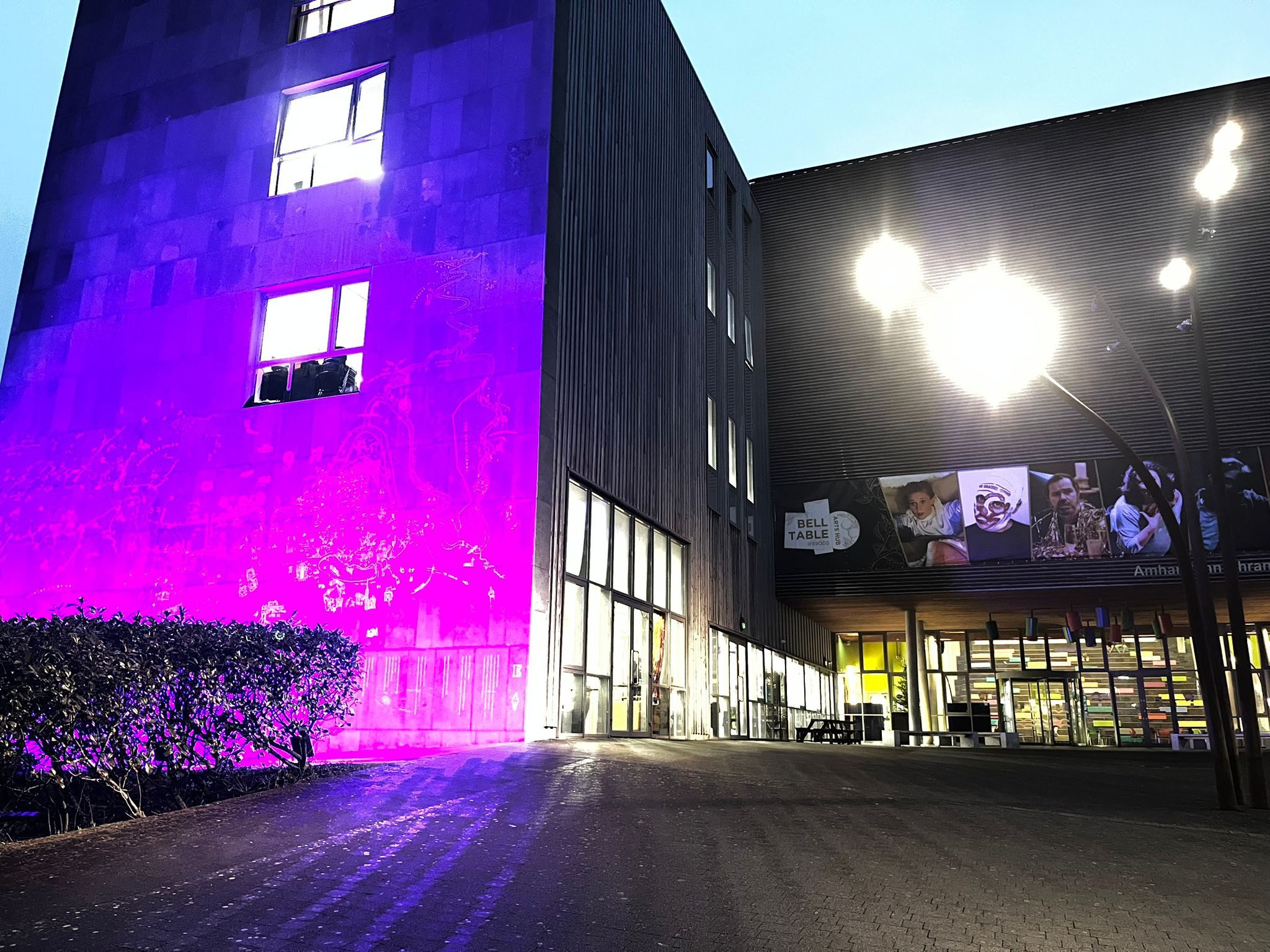
LINC Shines a Light on Inclusion for the International Day of Persons with Disabilities 2025
LINC Shines a Light on Inclusion for the International Day of Persons with Disabilities 2025 The Leadership for INClusion in the Early Years (LINC) Programme marked the United Nations International Day of Persons with Disabilities (IDPD) this evening by illuminating...
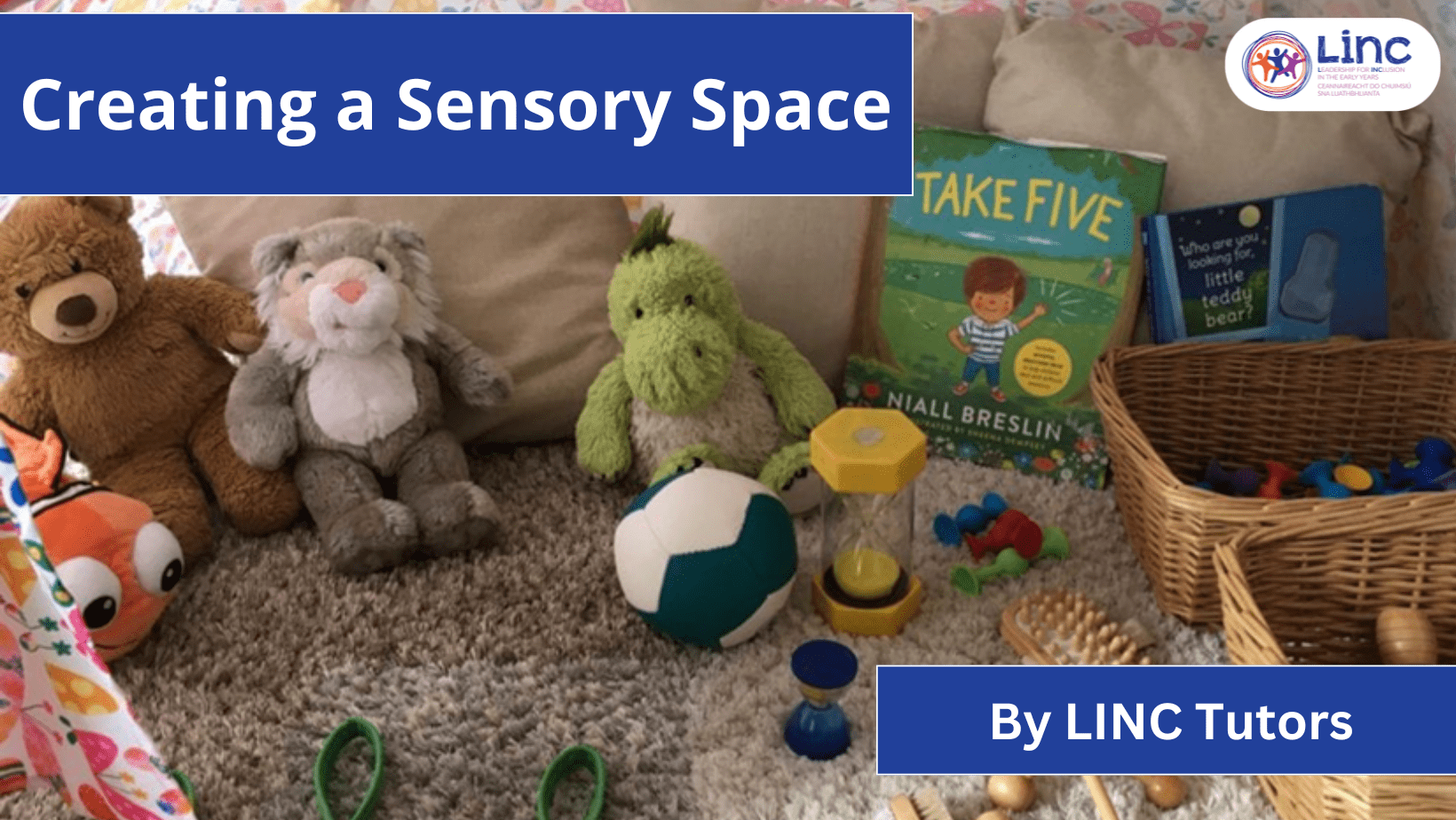
Creating a Sensory Space
Creating a Sensory Space In this edition of the LINC blog, Claire Butterly, Karina Abbott, Ann Donnellan, Carole Dee, Linda Madden, Margaret Joyce and Paula Harte highlight some considerations when planning a sensory space in your Early Learning and Care setting....
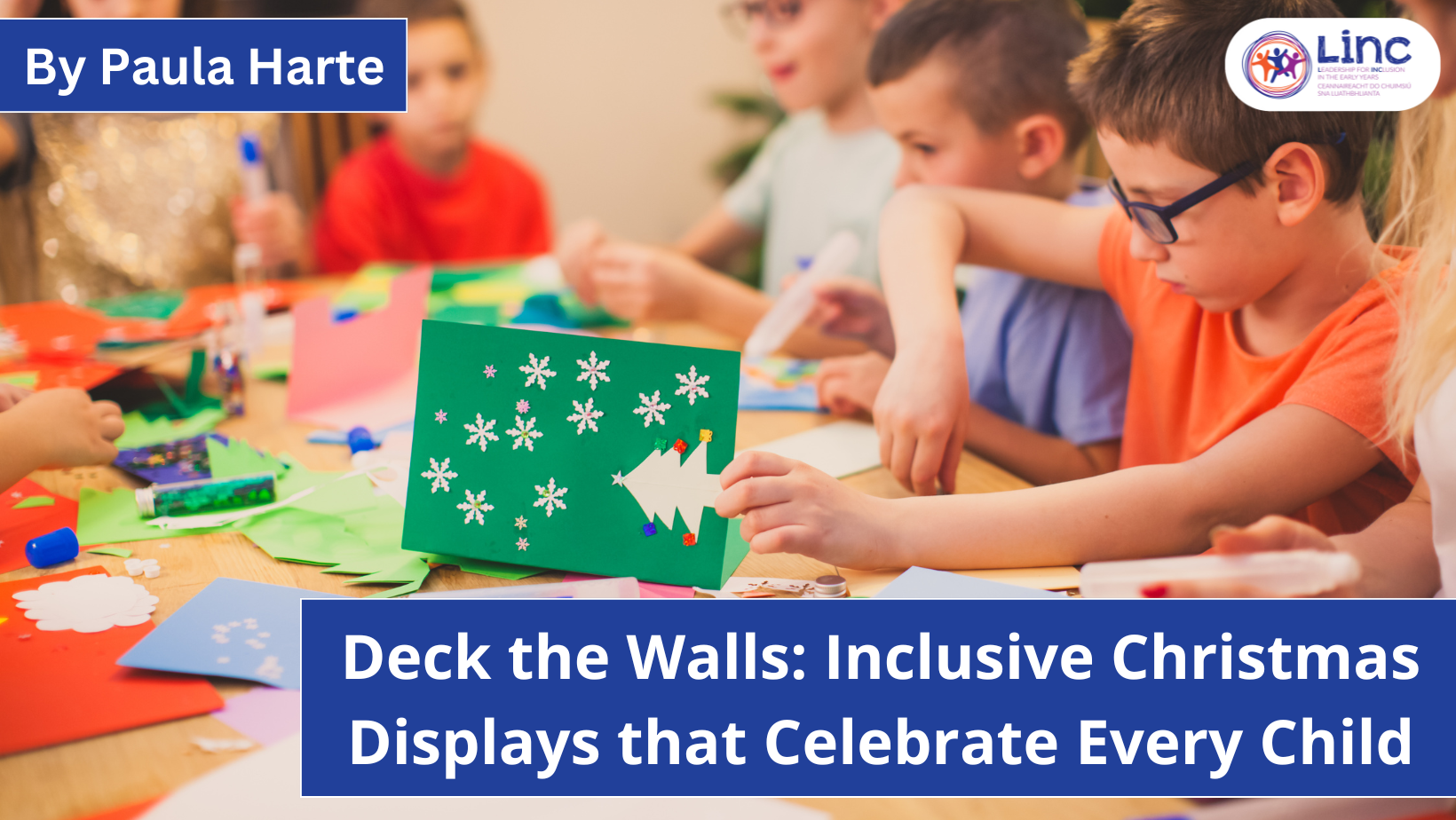
Deck the Walls: Inclusive Christmas Displays that Celebrate Every Child
Deck the Walls: Inclusive Christmas Displays that Celebrate Every Child In this edition of the LINC Blog, former LINC Tutor Paula Harte explores how Christmas displays can bring warmth, creativity, and connection to Early Learning and Care (ELC) and School-Aged...