
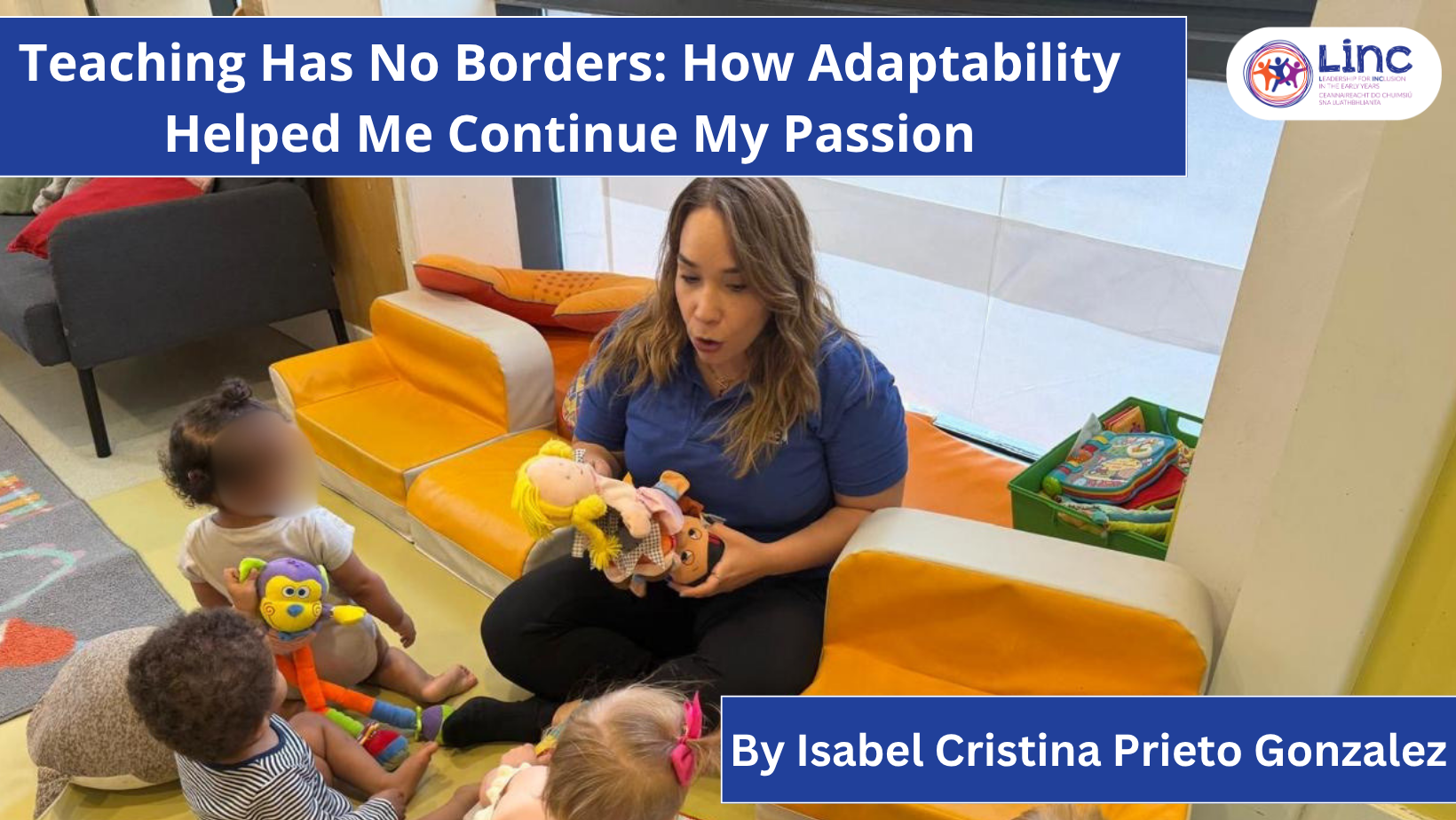
Teaching Has No Borders: How Adaptability Helped Me Continue My Passion
Can You Still Be a Teacher When You Leave Everything Behind?
When I moved from Mexico to Ireland, many people assumed I was leaving my teaching career behind. At first, I believed it too. I came to improve my English, experience a new culture and challenge myself. I even planned to take a break from education. What I didn’t realise was that teaching wasn’t something I could leave behind; it was part of who I was.
But life had other plans.
Looking back now, I realise that I never stopped being a teacher. I simply found another place where I could continue doing what I have always loved.
From a very young age, I enjoyed being around children. Listening, encouraging, teaching and supporting others came naturally to me. That is why I decided to study Early Childhood Education in Mexico.
When I began my studies, I thought teaching preschool children would be straightforward. I imagined teaching letters and numbers, planning activities and supporting children’s learning. I hadn’t yet realised that those early years shape every aspect of a child’s development.
My first classroom quickly changed my perspective. I learned that teaching young children is not about delivering activities, but about building relationships, observing carefully and adapting every day to meet children’s individual needs.
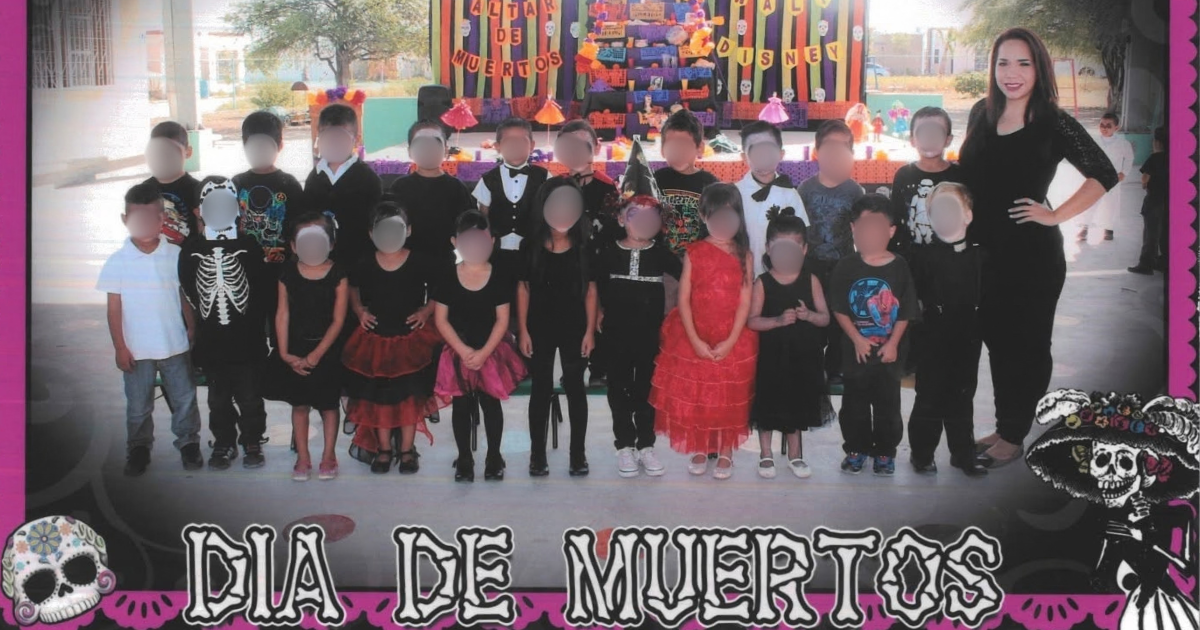
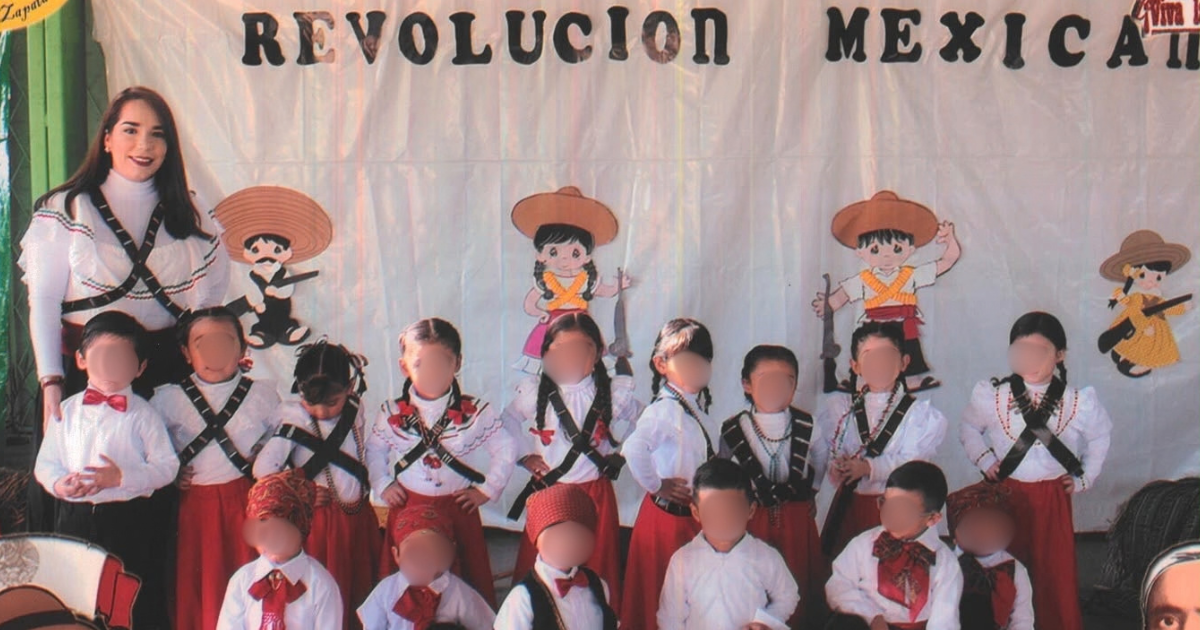
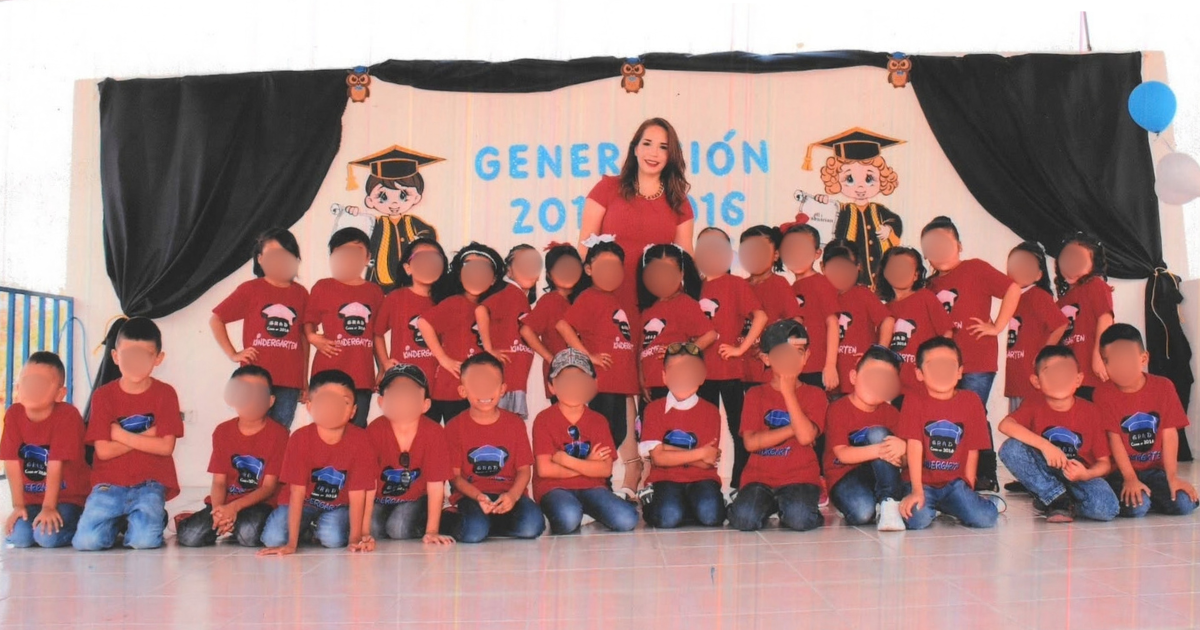
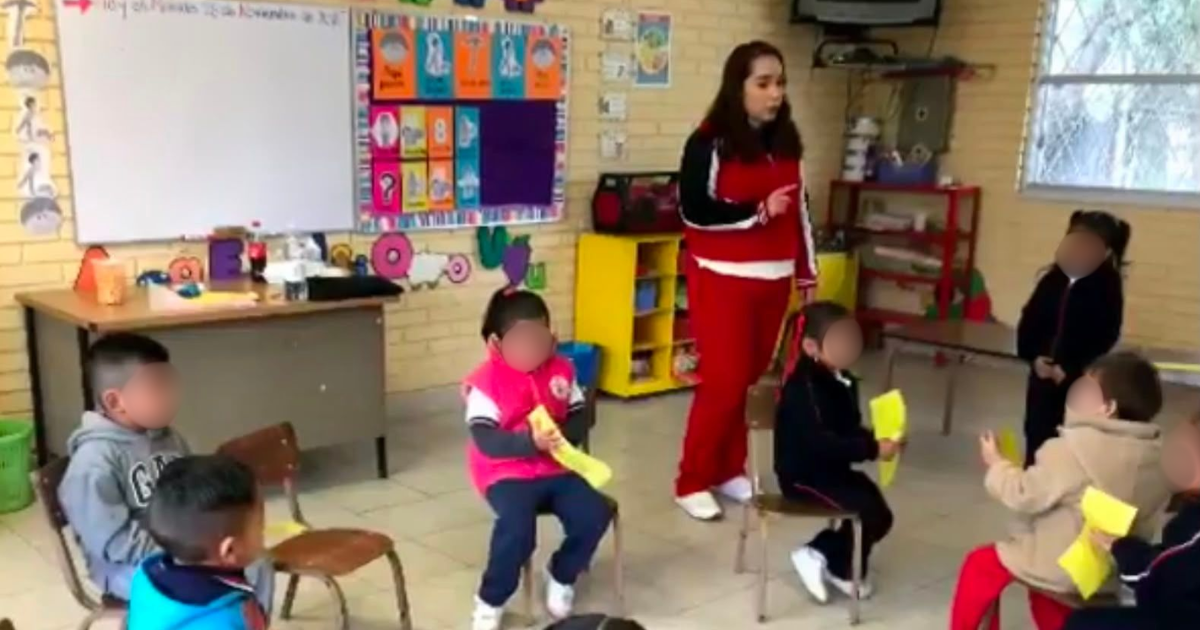
I worked as a preschool teacher in Mexico for fourteen years, mainly in communities with limited resources. I worked with large groups of children, including children with additional needs. Those experiences taught me patience, resilience and creativity.
Whenever I could, I brought extra materials into my classroom because I wanted every child to enjoy learning. Teaching was never just a job for me.
It became my vocation.
Then came one of the biggest decisions of my life.
I decided to leave Mexico and move to Ireland.
I knew it wouldn’t be easy. I was leaving my family, my friends and a profession that I loved deeply. My plan was to improve my English and take a break from education while I adapted to life in a new country.
However, after arriving in Ireland, I asked myself one simple question:
What is the one thing I know how to do best?
The answer came immediately.
Teach.
Although my English was still basic, I applied for jobs with confidence in my professional experience. I soon began working in an after-school service and later joined the company where I still work today. One of my proudest achievements was having my Mexican degree recognised in Ireland as a Level 8 qualification. It reminded me that everything I had learned and achieved in Mexico was still valued here.
One experience completely changed the way I saw my journey.
I had been working as a relief educator for only two months when I was asked to take responsibility for a classroom during the summer. Although another relief educator worked alongside me to ensure that the required adult-to-child ratios were maintained, I was responsible for leading the room each day.
At first, I felt nervous. Everything was different: the language, the curriculum and the education system.
But after a few days, something unexpected happened.
Without even thinking about it, I began doing what I had always done as a teacher. I reorganised the learning environment, prepared meaningful activities, observed the children’s interests and adapted the daily routine to meet their needs.
One afternoon, as I looked around the classroom and watched the children play, explore and laugh together, I suddenly recognised the feeling.
I wasn’t starting again.
My vocation did not belong to one country.
The language was different.
The education system was different.
The culture was different.
But my passion for teaching was exactly the same.
That was the moment I understood that I hadn’t come to Ireland to start all over again.
I had come to continue doing what I loved, just in a different place.
Over the following years, I continued to grow professionally. I became a centre manager and later an area manager in after-school services, supporting several early years settings. Those roles taught me a great deal about leadership, teamwork and communication.
However, I realised that what I missed most was being close to children every day.
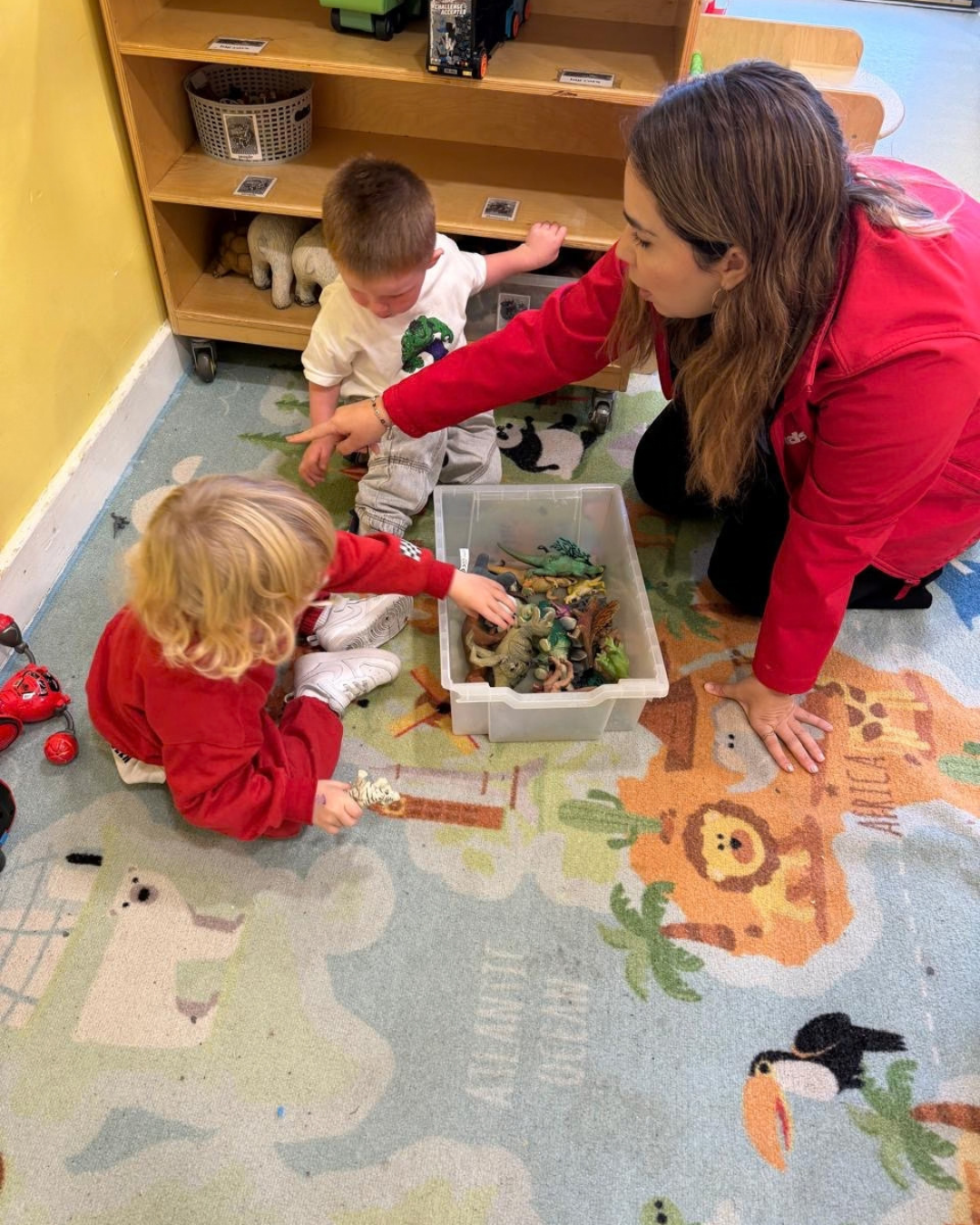
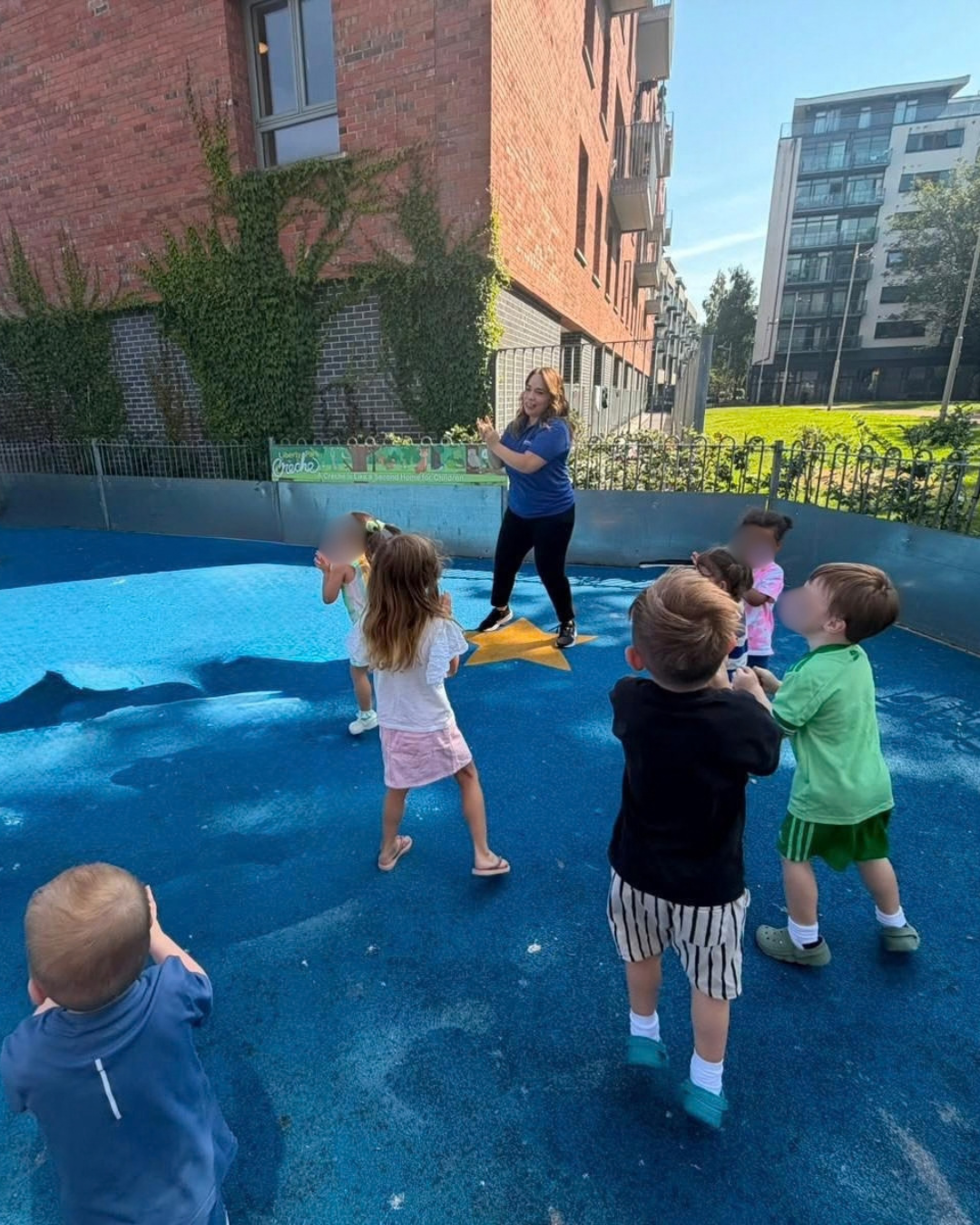
That is why I decided to return to an Early Learning and Care setting, where I now work as a manager. Every day, I have the opportunity to support babies, toddlers, preschool children, families and educators. It reminds me why I chose this profession in the first place.
One of the most important lessons for me has been about inclusion.
Before starting the LINC Programme, I believed that inclusion mainly meant supporting children with additional needs. Today, I understand that inclusion is much broader than that. It is about creating a place where every child, every family and every educator feels welcome, respected and valued, and experiences a genuine sense of belonging.
The programme also helped me to understand that inclusion is not something we do for a small number of children. It is something that benefits everyone.
Throughout the programme, several ideas have stayed with me and continue to influence my daily practice. Reflective practice, listening to children’s voices, creating meaningful learning environments and building strong partnerships with families have all become central to the way I lead my setting.
Working in Ireland has also changed the way I view inclusion. Here, I have experienced a stronger emphasis on listening to children’s voices, building genuine partnerships with families and recognising that every child deserves to participate fully in everyday experiences. These values have influenced the way I lead my team and support children, encouraging us to adapt our practice rather than expecting children to adapt to us.
One example of how my practice has changed is the way I now approach inclusion in everyday situations. In the past, if a child was finding something difficult, my first thought was how I could support that individual child. Today, I also consider how I can adapt the environment, work alongside families and support my team so that every child can participate, feel successful and experience a genuine sense of belonging.
These changes have strengthened not only my leadership, but also my understanding that inclusion is everyone’s responsibility.
Working in both Mexico and Ireland has shaped me into the educator I am today. Mexico taught me resilience, creativity and how to make the most of limited resources. Ireland introduced me to a stronger focus on children’s rights, inclusion, play-based learning and genuine partnerships with families. Together, these experiences have broadened my perspective and strengthened my belief that great teaching is rooted in relationships, reflection and continuous learning.
Moving to another country also changed the way I understood my professional identity. Reflecting through the LINC Programme and exploring the concept of Funds of Identity (Esteban-Guitart and Moll, 2014) helped me to recognise that my experiences, values, relationships and cultural background are all part of who I am as an educator.
I realised that being an educator is not defined by a job title, a classroom or even a country. It is defined by the values we carry, the relationships we build and the difference we make in children’s lives, wherever we are. That realisation gave me the confidence to embrace new opportunities while staying true to the educator I had always been.
Today, if someone asked me what adaptability means, my answer would be very simple.
It means understanding that your vocation can travel with you.
Countries may change.
Languages may change.
Education systems may change.
But when teaching is part of who you are, you will always find a way to continue making a difference.
If I could give one piece of advice to any educator starting a new life in another country, it would be this: never doubt the value of your experience. Learning a new language and adapting to a different education system can be challenging, but your passion, knowledge and values will always travel with you. Stay curious, keep learning and never stop believing in the difference you can make in a child’s life.
Looking back, I realise that I never left teaching behind.
I simply carried it with me.
Countries changed.
Languages changed.
Education systems changed.
But my vocation remained the same.
Teaching was never just what I did.
It was always part of who I was.
References:
Esteban-Guitart, M., & Moll, L. C. (2014). Funds of identity: A new concept based on the Funds of Knowledge approach. Culture & Psychology, 20(1), 31–48.
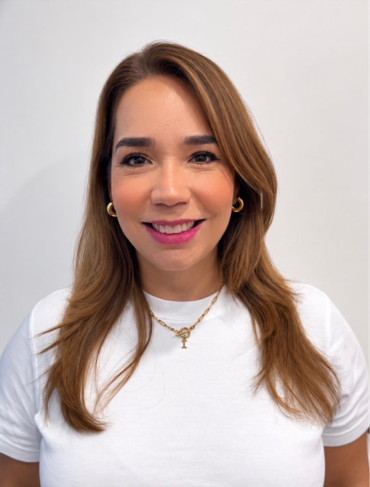
Isabel Cristina Prieto Gonzalez
Centre Manager at Foley Street Crèche, Dublin
Isabel began her professional career in Mexico, where she worked in early childhood and primary education, supporting children’s development, working closely with families and creating meaningful learning experiences. She later took on a leadership role as the teacher responsible for the preschool, carrying out a range of leadership and management responsibilities within the setting.
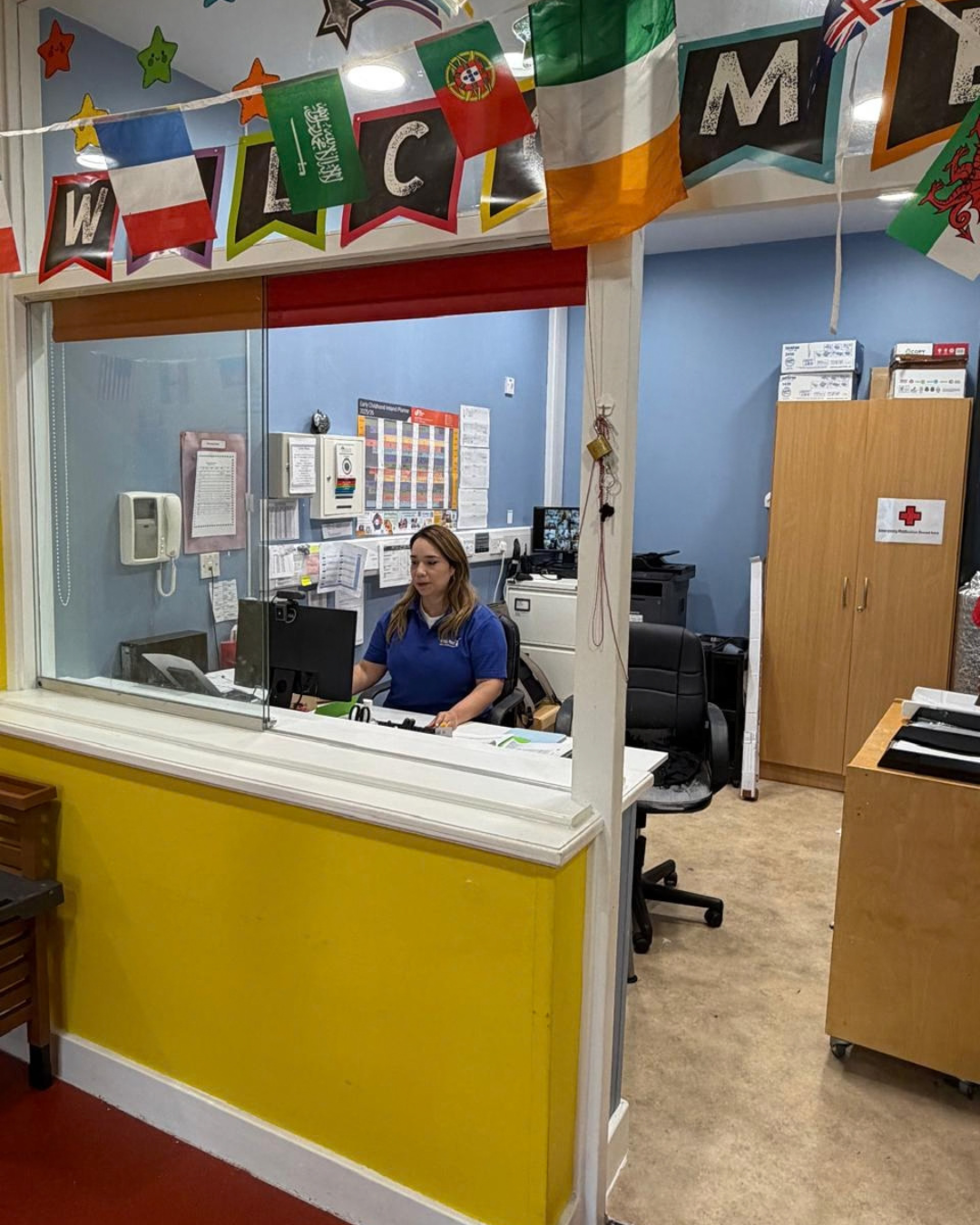
Since moving to Ireland in 2022, Isabel has continued to develop her career across different roles within the childcare and community sector, including After-school, Community Support, Creche Practice, After-school Management and Area Management. She currently works as a Centre Manager, overseeing the day-to-day operations of an Early Years setting, supporting and developing staff, coordinating recruitment and training, working closely with families and contributing to curriculum planning, quality improvement, safeguarding and compliance.
Isabel is passionate about inclusive practice, leadership and continuous professional development, and about creating nurturing and stimulating environments where every child and family feels welcomed, respected and supported. She is particularly interested in child development, team development, quality improvement and supporting educators to grow in confidence and professional practice.
Through her participation in the LINC Programme, Isabel is further developing her knowledge and leadership practice in inclusion, with a particular interest in supporting educators to create environments where every child can participate, belong and reach their potential.
You may also like:
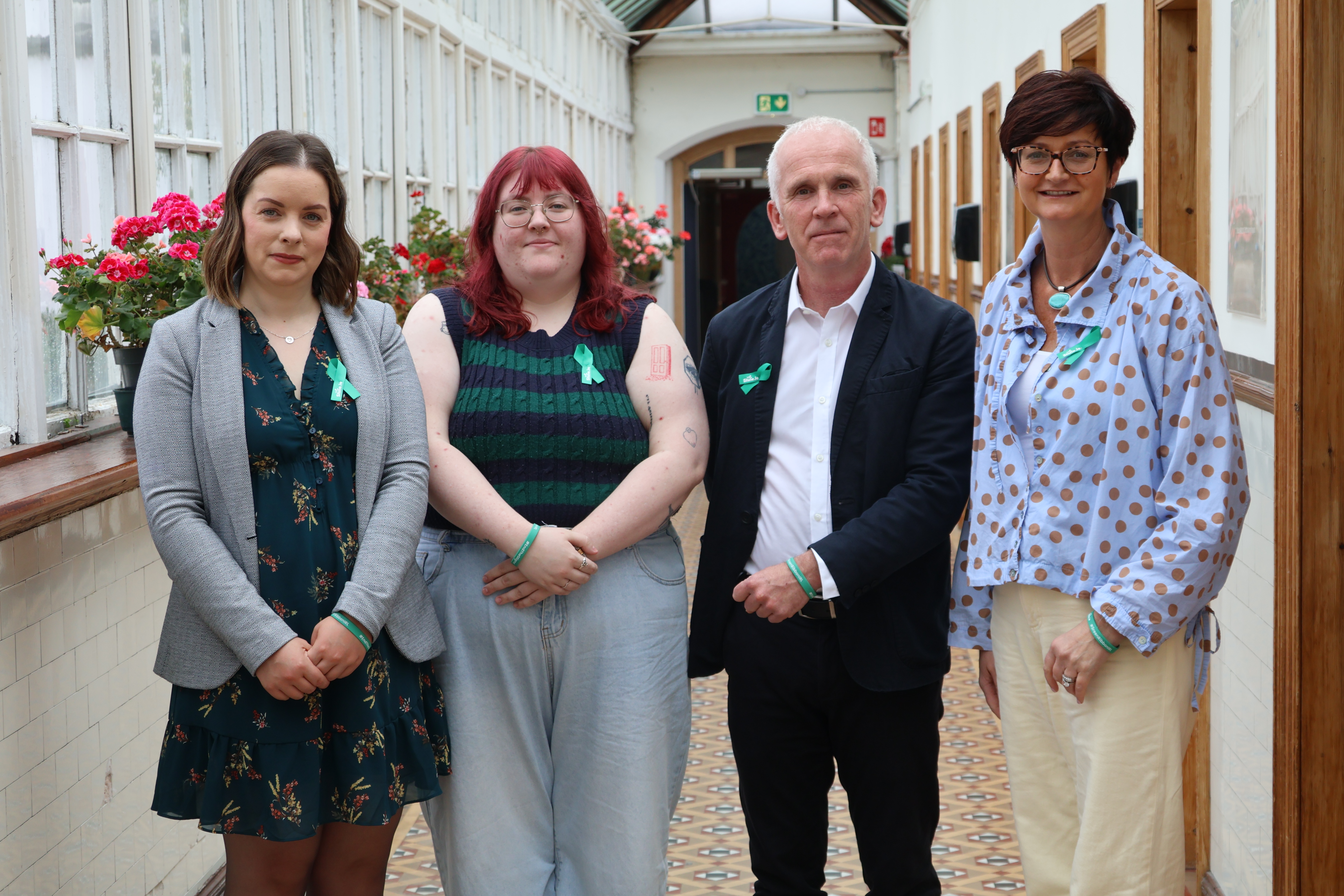
The LINC Programme and Mary Immaculate College Join Ireland in Conversation for Shine’s 2026 Green Ribbon Campaign
The LINC Programme and Mary Immaculate College Join Ireland in Conversation for Shine’s 2026 Green Ribbon CampaignPictured (L–R): Claire Butterly, LINC National Coordinator; Nat Horan, MISU President; Professor Dermot Nestor, President of Mary Immaculate College; and...
From Educator to Inclusion Leader: How Has Your INCO Identity Evolved?
From Educator to Inclusion Leader: How Has Your INCO Identity Evolved? In this edition of the LINC+ CPD Blog, Claire Butterly, National Coordinator of the LINC Programme, explores what it means to grow from educator to inclusion leader and how an INCO’s professional...
Why Transitions Matter More Than We Think
Why Transitions Matter More Than We Think In this edition of the LINC Blog, Ricardo Pereira Silva Filho, an early childhood educator with experience working in both Ireland and Brazil, reflects on the importance of transitions in Early Learning and Care and School-Age...