
The Joy of Storytelling:
An Inclusion Coordinator’s Guide to an Inclusive World Book Day
In this edition of the LINC Blog, LINC National Coordinator Claire Butterly explores The Joy of Storytelling: An Inclusion Coordinator’s Guide to an Inclusive World Book Day.
World Book Day can bring excitement and celebration, but it can also create pressure and shift the focus away from what truly matters, children’s relationships with books. This reflective piece invites Inclusion Coordinators and educators to re-centre reading as a joyful, relational experience. Through an equity lens, the blog explores access to books, the role of INCOs in shaping inclusive reading cultures, and how slowing down can deepen meaning. It also includes a practical Inclusive World Book Day Audit tool to support team reflection.
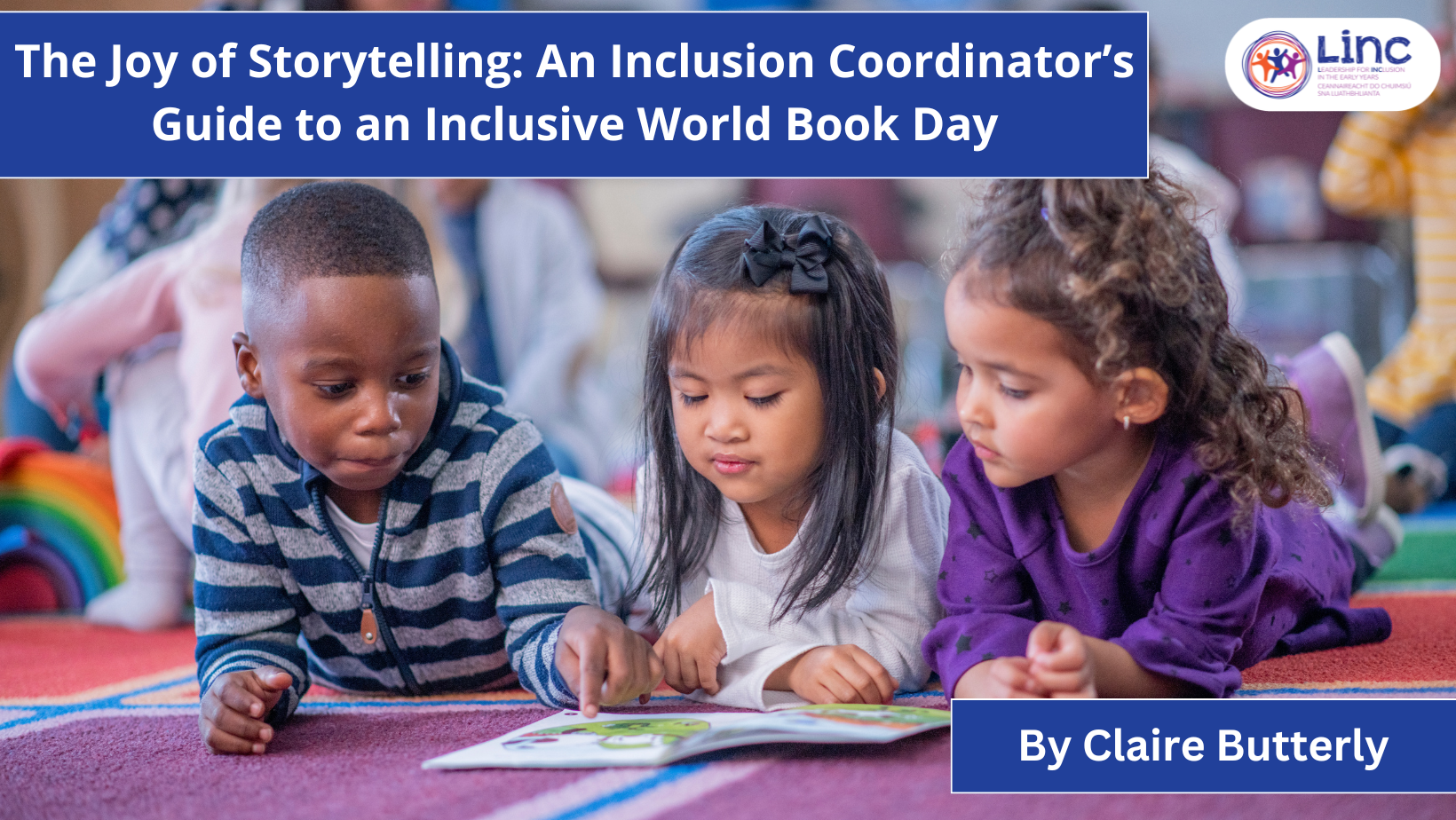
World Book Day often arrives with excitement, costumes, and character parades. While dressing up can be joyful for some children, it can also create pressure for families, exclude those who cannot participate, and shift the focus away from what truly matters: the relationship between children and books. This day offers inclusion coordinators and educators a powerful opportunity to pause, reflect, and re-centre reading and storytelling as a joyful, relational experience rather than a performance.
Reclaiming the Purpose of World Book Day
At its heart, World Book Day is about access, belonging and the lifelong love of reading. When we move away from costume expectations, we make space for every child to engage in ways that feel meaningful and safe. Books are not props, they are invitations to wonder, connect, imagine, explore and converse over. They can bring children (and adults) on adventures. An inclusive approach recognises that story telling looks different for every child: listening, looking, retelling, moving, questioning, revisiting, acting out and sometimes simply being alongside a story. Aistear further highlights the value of books and an inclusive print rich environment for developing a grá (love) of reading (Government of Ireland 2024).
An Equity Lens
An inclusive World Book Day must also recognise that not all children grow up surrounded by books. Research from Children’s Books Ireland (2024) highlights that many children, particularly those under 12, have limited access to books at home; with 19.5% of infants at 9 months having never been read to and at 3 years 20% of children being read to three or fewer times a week. For some children, ELC and SAC settings are the primary place where they encounter books, experience shared reading and storytelling and develop relationships with stories. This shifts both the responsibility and opportunity towards all adults working with children: inclusion coordinators, early years educators, school aged childcare practitioners and teachers, to help to create and nurture the joy of storytelling.
When World Book Day focuses on costumes, there is a possibility that inequality can be unintentionally reinforced. When it focuses on books, stories and shared reading experiences, it can actively reduce it. Inclusion coordinators and educators are placed in a unique position where they can reflect with colleagues on:
- Who has access to books beyond the settings?
- Are there children who rely on the setting for book experiences?
- Whether books areas are inviting, accessible and culturally meaningful?
- If books challenge inequalities and stereotypes?
- How frequently children can revisit familiar or loved stories?
- How books travel between home and the setting?
Access is not simply about quantity. It is the quality and meaningful interactions with books alongside responsive and attuned adults. Inclusion coordinators, therefore, hold a unique role in shaping how inclusive engagement with books takes place across the setting, not only on World Book Day, but every day.
Bringing back the joy of storytelling
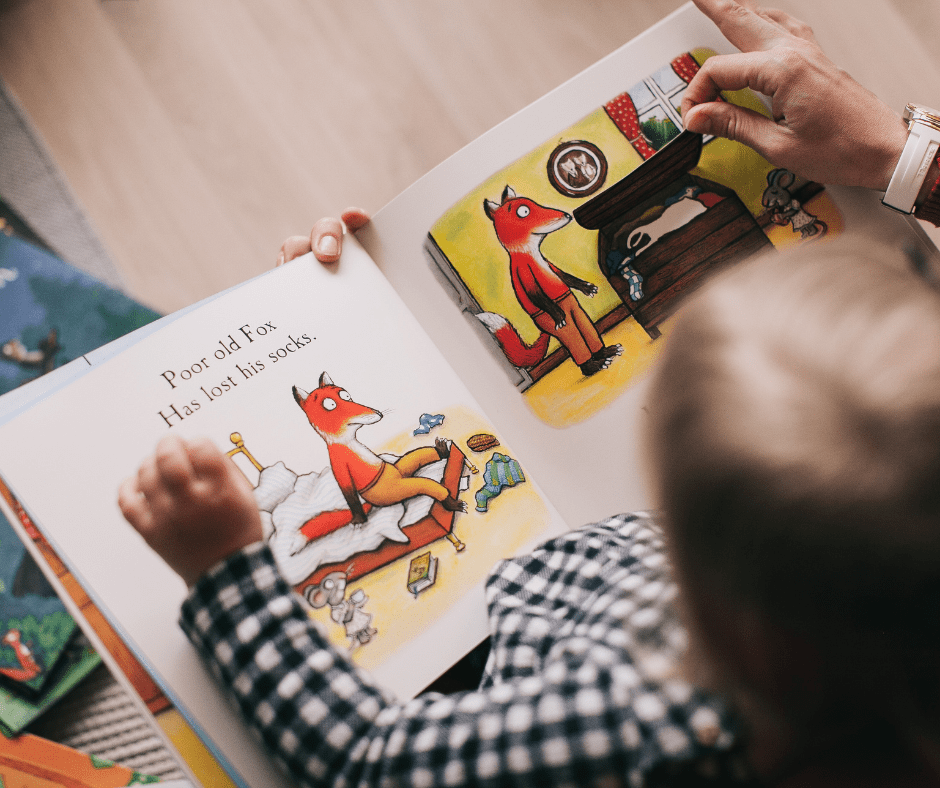
Joy in reading and storytelling grows through relationships. It lives in the shared moments of educators pausing on a page and asking children what they notice; children introducing their own stories or posing questions to adults and peers; and adults and children returning to much loved familiar stories again and again.
Using a child-led, slow relational approach with children allows books to come to life. Instead of planning many activities around books, Inclusion coordinators and educators might
- Stay with one story for longer
- Follow children’s lead and questions rather than adult focused outcomes
- Encourage silence, repetition and unfinished endings
- Notice emotional responses to stories, as much as comprehension of the book.
When reading and storytelling slows down, meaning deepens.

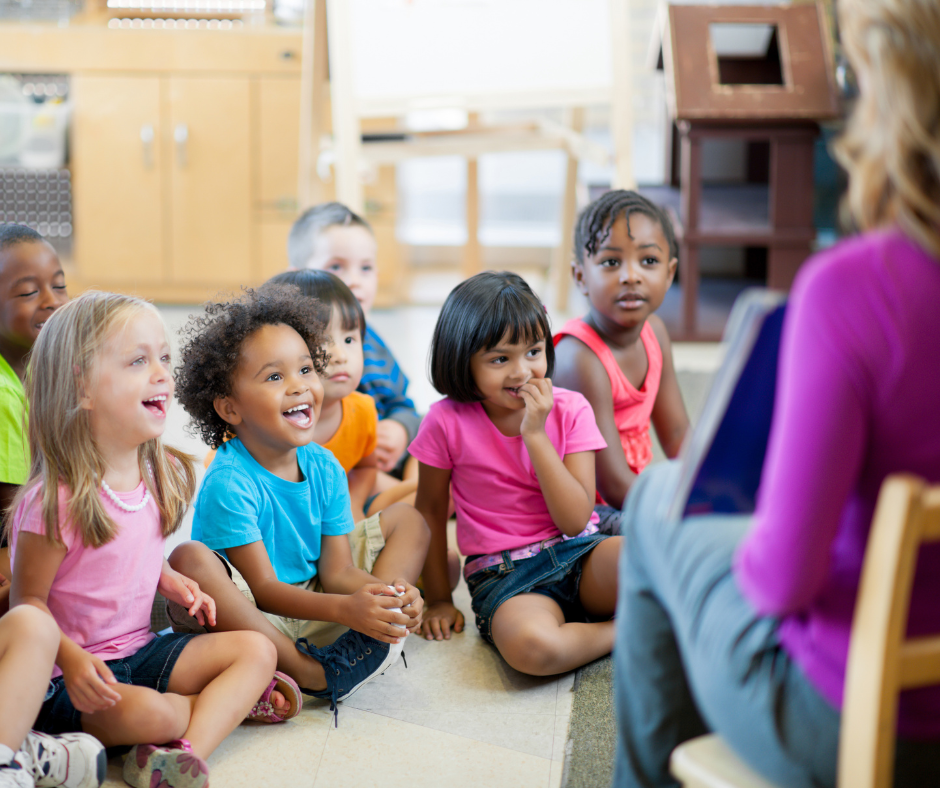
Books as Tools for a Slow Relational Pedagogy
A slower relational approach supports children, inclusion coordinators and educators by reducing pressure and creating spaces for meaningful interaction. Within a slow relational pedagogy, books become a place for connection, rather than teaching tools. Books support
- Connections between educators and children
- Peer conversation and shared meaning making
- Opportunities to explore identity and representation
- Emotional literacy
- Playful thinking.
Inclusion coordinators can observe how children use books, as well as how adults use them with children. A book carried around or moved to a different space in the environment; or retold through play; or discussed days later tells us something important about its significance. This moves reading from an event to an ongoing relationship and becomes part of the living, evolving interactional environment.
Using World Book Day in Playful Inclusive Ways
Without costumes, the day can become richer and more accessible. Possibilities might include
- Story play provocations: provocations inspired by a book or books placed in continuous provision rather than adult led during story time.
- Favourite book spaces: children bringing a book from home or choosing one that matters to them in the setting.
- Slow story sessions: individual or small group storytelling with time for extended and wandering conversations, focusing on the process and engagement rather than finishing the book.
- Story in movement: acting, drawing, building or sensory exploration linked to a favourite book.
- Adult story telling: Inclusion coordinators and educators sharing books that they loved in their childhood.
- Book noticing: asking children about books which appear or are noticed in their play.
- Props and story sacks: creating props and story sacks for favourite books as a means to support engagement
- Dramatic play: Updating dress up areas to include real clothes, shoes and accessories
- Parents: inviting parents/caregivers into the setting to share stories with children.
- Library visits: reaching out to local libraries to see if children can visit the library, or if the library can visit the setting.
- Creating a library: creating a library within the setting or local community where children and families can borrow or leave books.
This shifts the emphasis from doing something about a book to an evolving curriculum alongside books.
An inclusive approach acknowledges that:
- Not all children want to dress up
- Not all families can participate in costume expectations
- Some children experience anxieties when there are changes in routines
- Representation in books matters more than representation through costumes
- Reading and storytelling are relational not transactional.
World Book Day offers more than a moment of celebration; it offers a chance to pause. A pause to reflect on what reading and storytelling looks like within your setting.
A pause to notice which children feel confident around books, and which children confidence around books is still emerging.
A pause to reflect on what reading books looks like within your setting.
When the day and its focus shifts away from costumes and towards connections, World Book Day becomes an opportunity to strengthen a culture of reading that is inclusive, accessible and meaningful for children, families and educators.
For Inclusion Coordinators, this day can act as a gentle point of leadership. It invites conversations with the team about access, representation, pace and purpose. It invites educators to see books not as resources to read but as an opportunity within children’s play, identity exploration and emotional worlds.
When reading slows down, when children lead and when books are encountered in a relational way, World Book Day moves from an event to inclusive practice, becoming part of an ongoing commitment to equity, connection and getting lost in the magic of stories. And in these slower moments, the joy of storytelling has space to return.

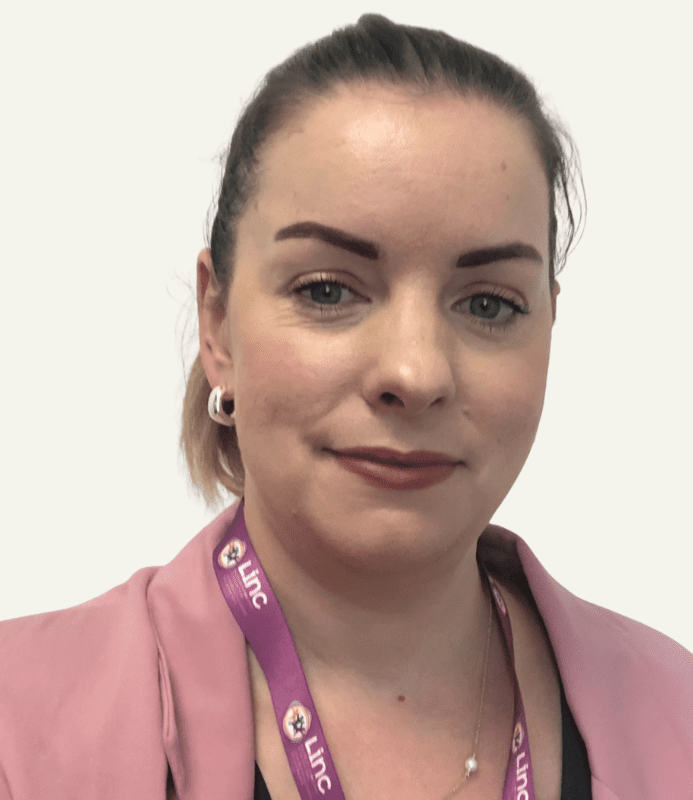
Claire Butterly
LINC National Coordinator</p> <p>
With a strong academic background and practice experience in early childhood education and care, Claire is deeply committed to advancing inclusion and professional development with the sector. She holds a Master of Arts in Child, Youth and Family Studies and Bachelor of Arts in Early Childhood Education and Care programme, both from IT Carlow and a Post Graduate Diploma in Mentoring, Management and Leadership from TU Dublin.
Claire’s career spans a wide range of roles in early childhood settings, being an Early Years Quality Mentor and a tutor in early childhood education and care programmes. From 2016 to 2021, Claire contributed to the LINC programme as a tutor, and later took on the role of Lead Content Developer and LINC+ CPD programme tutor from 2021 to 2022.
Currently, Claire is pursuing a PhD through the Department of Reflective Pedagogy and Early Childhood Studies. Her research explores the recruitment, role, and function of educators funded under the Access and Inclusion Model.
Claire’s further interests include the development and professionalisation of the early childhood sector, early childhood inclusion, and amplifying the voices of students and educators in shaping policy and practice. Her work is dedicated to fostering a more inclusive and effective early childhood education and care system that meets the diverse needs of children, educators, and families across the country./p>
You may also like:
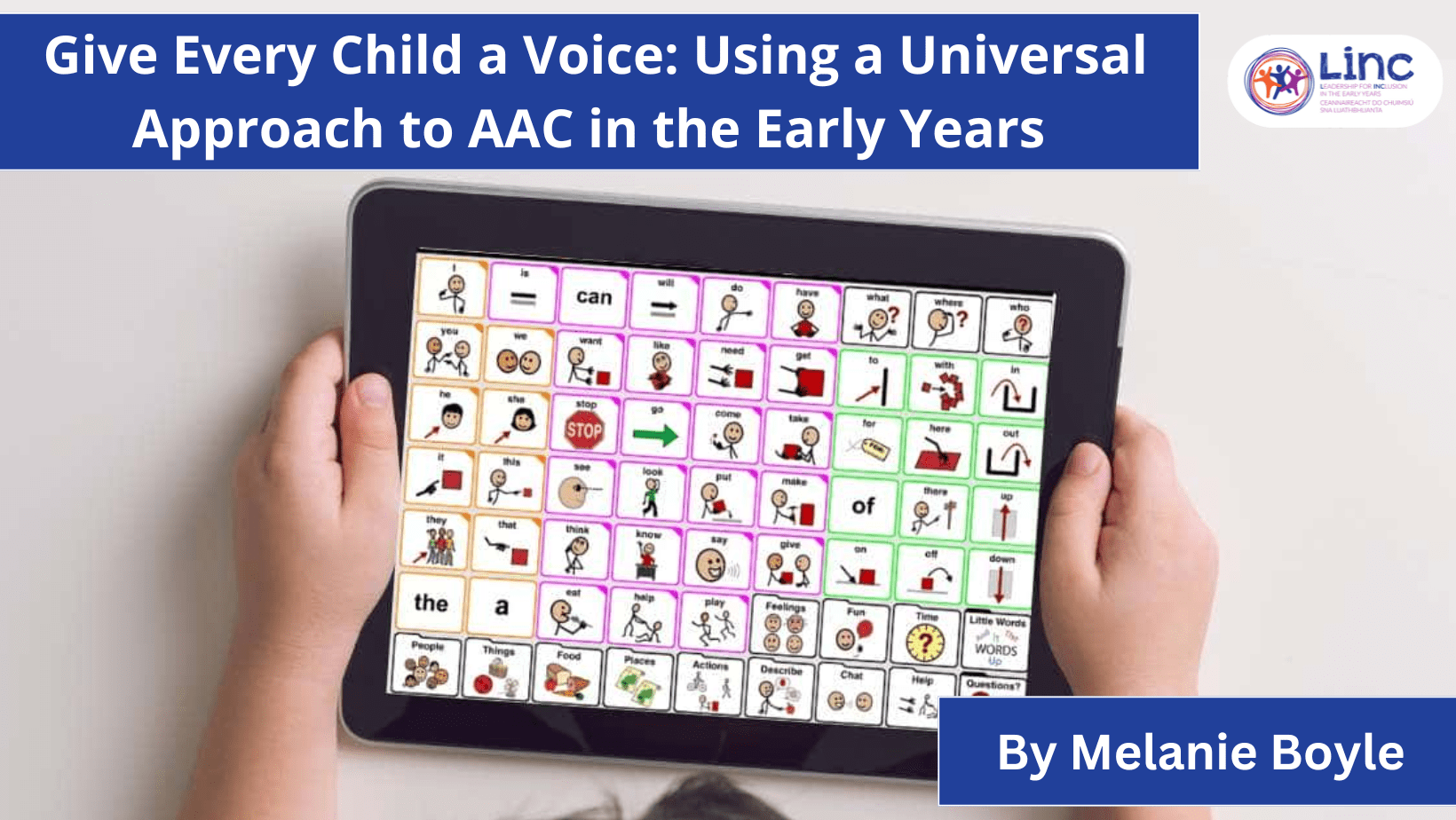
Give Every Child a Voice: Using a Universal Approach to AAC in the Early Years
Give Every Child a Voice: Using a Universal Approach to AAC in the Early Years In this edition of the LINC Blog, AAC Coach and SEN Teacher Melanie Boyle shares her insights on using a universal approach to AAC in early years settings. Drawing on her dual...
LINC Programme Hosts Record-Breaking Webinar on Diversity, Equity, and Inclusion in the Updated Aistear Framework
LINC Programme Hosts Record-Breaking Webinar on Diversity, Equity, and Inclusion in the Updated Aistear Framework The Leadership for Inclusion in the Early Years (LINC) Programme hosted an insightful and highly attended webinar on Wednesday, February 12th, exploring...
Because Neurodivergent Children Become Neurodivergent Adults
Because Neurodivergent Children Become Neurodivergent Adults In this edition of the LINC Blog, Award-Winning Specialist Training & Consultancy in Neurodiversity within Early Years, Cheryl Warren explores how we can better support neurodivergent individuals...