
Learning Together, Leading Together:
Reflections on Inclusion, Community and Belonging
In this edition of the LINC Blog, Lucy Madigan, co-owner of Daisy Chain Montessori and Childcare and Inclusion Coordinator, reflects on how her experiences with LINC, LINC+ and Special Olympics Ireland have shaped her approach to inclusion, leadership and belonging. She shares how learning alongside fellow educators through Communities of Practice has inspired practical changes in her settings, strengthened partnerships with families and reinforced the importance of working together to ensure every child feels valued and included.
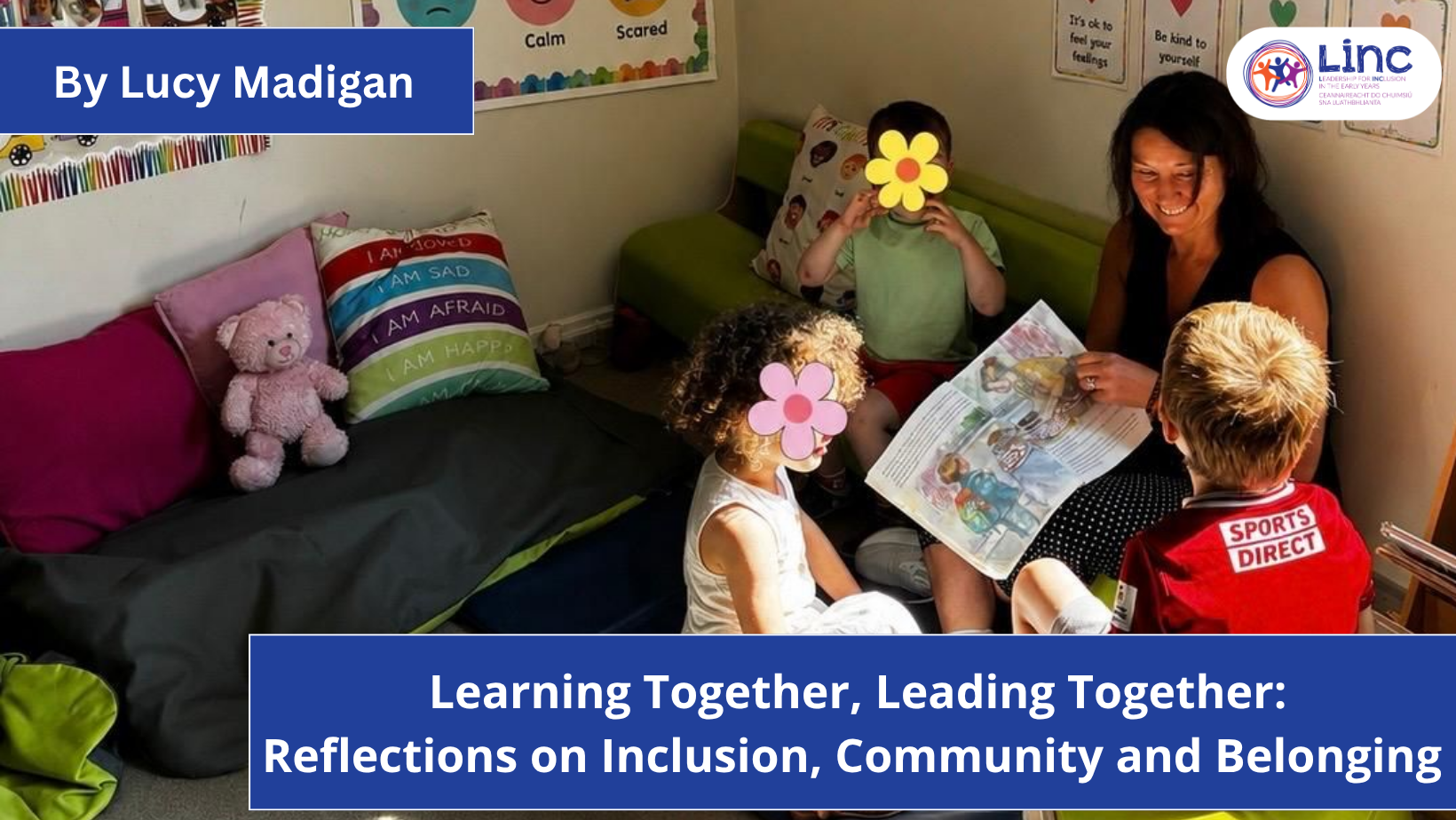
My return to the LINC+ CPD Programme in 2026 has been both inspiring and renewing, particularly through the weekly tutor-led Community of Practice sessions. Each week, I looked forward to our online Community of Practice and, regardless of how challenging my day had been, I always left feeling energised and encouraged. While the resources and suggested topics from our tutor were invaluable, it was the shared conversations and collective reflection that had the most impact.
Working in Early Learning and Care in Ireland is incredibly rewarding, yet as an owner, registered provider, and Inclusion Coordinator, it can often feel like navigating against a shifting tide.
Embarking on the LINC+ CPD Programme this year, while simultaneously mentoring athlete volunteers at the Special Olympics National Games, further strengthened my passion for inclusive practice. Together, these experiences encouraged me to move beyond policies and frameworks and reflect on what genuine belonging, participation, and inclusion look and feel like in everyday contexts.
This marked a new turning point in my thinking about inclusion. It became something I reflected on constantly. Whether I was in the workplace, meeting with Special Olympics colleagues in the evenings, or participating in the Community of Practice, I found myself asking:
- What does inclusion really mean?
- Where does it begin?
- And how can it become part of everything we do?
My goal for our settings is for inclusion to feel as natural as welcoming a child each morning, helping them put away their bag, supporting them at snack time, encouraging them to join group activities, accompanying them to the bathroom, or responding to their individual needs throughout the day.
I began to wonder how I could lead change that empowers every educator to be more agentic, with the confidence to make decisions and take action, so that inclusive practice becomes second nature. I wanted it to be an ordinary and unquestioned part of daily life rather than something reserved for specific moments, specific children or rooms.
LINC Practice Impact: Strengths-Based Approach
Completing the LINC Programme in 2018 deepened my understanding of inclusion through a strengths-based lens. It encouraged me to focus more intentionally on children’s strengths, interests, abilities and areas of support.
This led to changes in our observations, documentation, and partnerships with families, including the introduction of Aistear Learning Records, All About Me forms, the Voice of the Child page from the AIM My Inclusion Plan, and more recently the TRUST document by Warren (2025), which we discussed in LINC+ CPD. This learning helped me recognise that an inclusive culture is built, strengthened, and sustained through the small moments of everyday interaction.
Most importantly, it helped embed a shared vision across the setting where every child is seen as capable and competent, ensuring their strengths, voice, and identity remain at the heart of our inclusive practice.
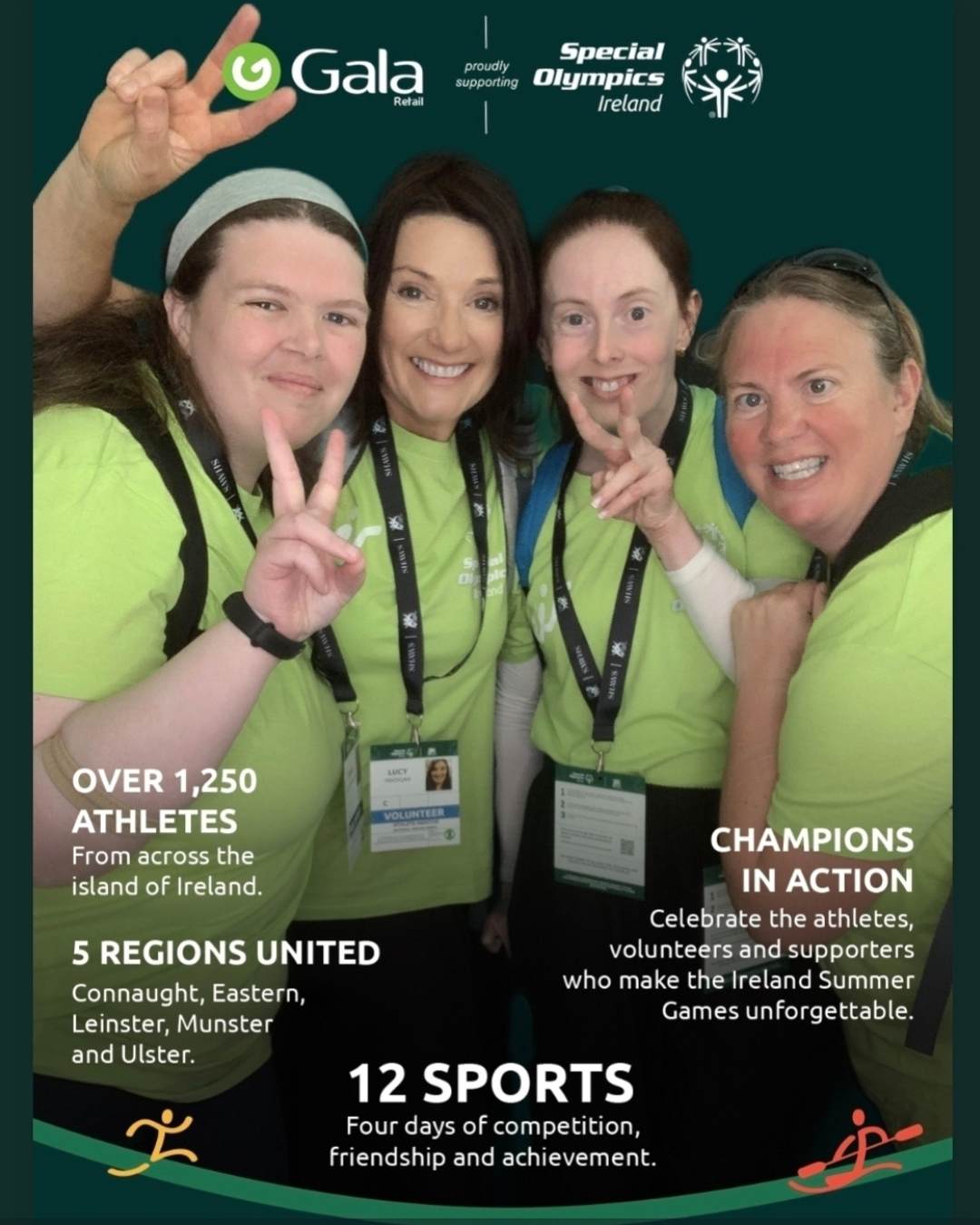
This learning also resonated with my role as a volunteer with Special Olympics. Its values of dignity, respect, participation, and belonging closely align with the principles of Aistear. These values are echoed particularly within the principles of Diversity, Equity and Inclusion; Relationships and Interactions; Family and Community; Agentic Global Citizens; and Agentic Educators (DCYA 2016; GoI 2024). Together, they reinforce the importance of creating communities where everyone feels valued, connected, and empowered to contribute.
LINC+ CPD Community of Practice Peer Learning
Attending the weekly LINC+ tutor-led Community of Practice reminds me that leadership for inclusion is not something I do alone.
Grounded in Aistear (GoI 2024), Síolta (DES 2017) and the LINC Programme, the Community of Practice provides a valuable space for collaborative reflection, shared learning, and continuous improvement. This approach resonates with my professional identity as an INCO and guides my daily practice.
Even after a long day, I leave each session with new perspectives, renewed energy, and practical ideas to support continuous improvement in our setting. One particularly impactful discussion focused on transitions. Reflecting with peers on a child whose behaviour had changed following significant changes at home encouraged me to think more deeply about what the child was communicating and the importance of meaningful partnerships with families.
As a result, we adapted a family partnership document to include a space for parents to share their observations and hopes for their child. This simple change strengthened collaboration, supported shared planning, and helped us respond more effectively to children’s needs. Following its success, we are now embedding this approach across the service.
Through collaboration, shared leadership, and educator agency, I have seen how Communities of Practice create opportunities for reflection, learning, and growth.
My Commitment to Action
Earlier this year, while reflecting with three fellow INCOs, we recognised that although we met regularly, we lacked protected time for intentional sharing and professional learning. As a result, we committed to establishing a Community of Practice in September for the Inclusion Coordinators across our settings.
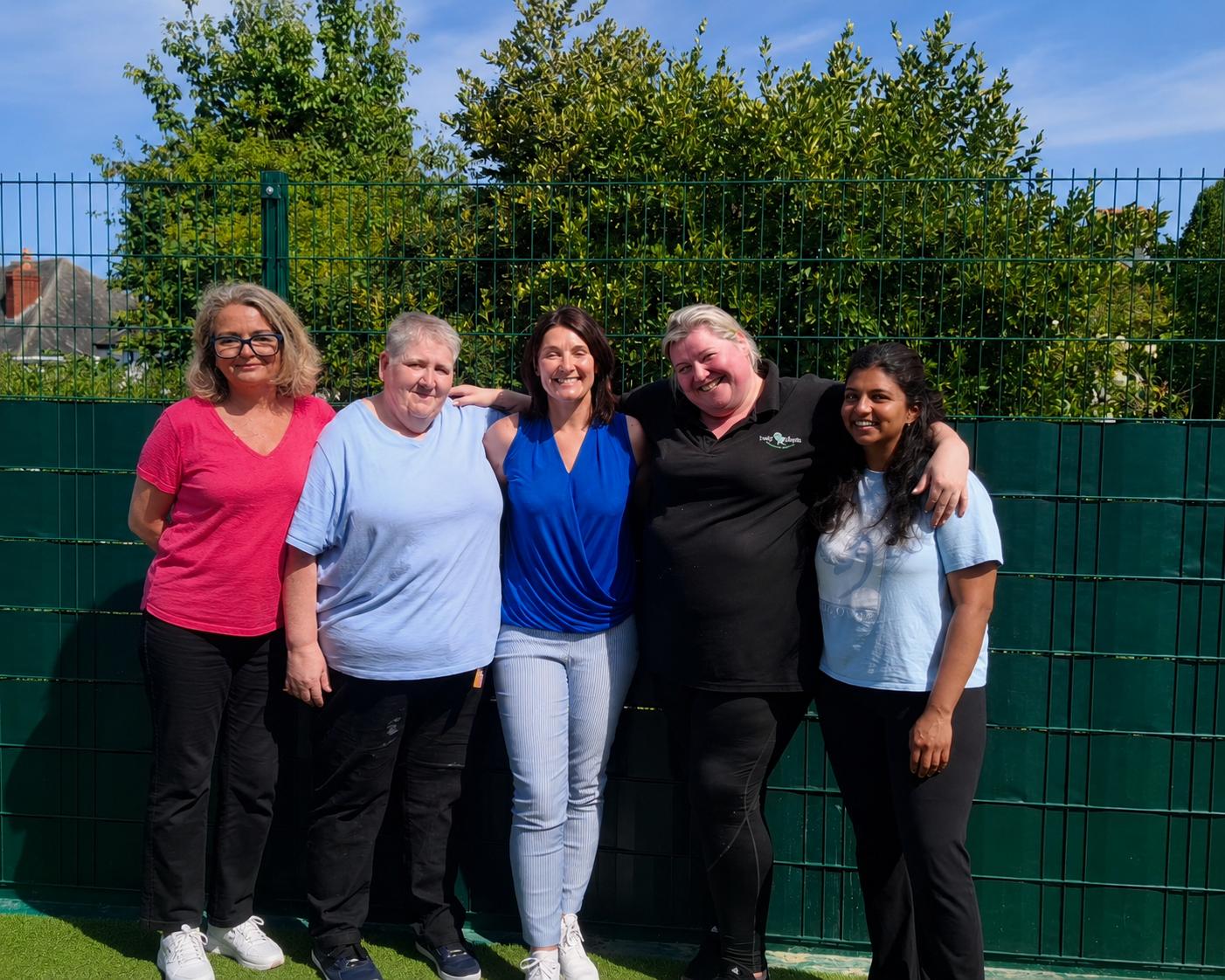
We are all excited about creating a dedicated space for reflection, shared learning, and collaborative problem-solving. My LINC journey has shown me that inclusion is strongest when it is built together through relationships, reflection, and shared learning. Through Communities of Practice, I have experienced how collaboration and educator agency create meaningful opportunities for growth. Ultimately, inclusion is not a programme or an initiative; it is a shared commitment to ensuring every child, family, and educator feels valued, welcomed, and has a true sense of belonging.
References
Department of Children and Youth Affairs (2016) Diversity, equality and inclusion charter and guidelines for early childhood care and education. Government of Ireland. Available at: https://www.gov.ie/en/department-of-children-disability-and-equality/publications/diversity-equality-and-inclusion-charter-and-guidelines-for-early-childhood-care-and-education
Department of Education and Skills (2017) Síolta: The national quality framework for early childhood education. Available at: https://www.siolta.ie/pdfs/siolta-manual-2017.pdf
Government of Ireland (2024) Aistear: The early childhood curriculum framework. Available at: https://curriculumonline.ie/early-childhood/aistear-2024/
Warren, C. (2025) Neurodiversity in the early years: Practical and proven strategies to enable neurodivergent children to thrive. Oxon: Routledge. Available at: https://www.routledge.com/Neurodiversity-in-the-Early-Years-Practical-and-Proven-Strategies-to-E/Warren/p/book/9781032637303
Lucy Madigan
Co-owner of Daisy Chain Montessori and Childcare
Lucy Madigan is co-owner of Daisy Chain Montessori and Childcare in South Dublin and an Inclusion Coordinator with a strong commitment to inclusive practice. Since completing the LINC Programme in 2018, she has continued her professional learning through LINC+, where she is an active contributor and advocate for collaborative learning through Communities of Practice.
A dedicated Special Olympics Ireland volunteer since 2010, Lucy is passionate about creating communities where everyone experiences belonging, participation, and the opportunity to thrive. Through her work with her teams, her involvement in Special Olympics, and her experiences with LINC and LINC+, she promotes inclusion, shared learning, and leadership through collaboration.
You may also like:
10 Years of LINC: Looking Back to Look Forward
10 Years of LINC: Looking Back to Look ForwardIn this edition of the LINC Blog, Dr Claire Butterly, National Coordinator of the LINC Programme, reflects on ten years of LINC and how the programme has evolved alongside our understanding of inclusion. She explores the...
From Reflection to Action: The Role of Mentoring in the LINC Journey
From Reflection to Action: The Role of Mentoring in the LINC JourneyIn this edition of the LINC Blog, Deputy Coordinator of the LINC Programme Ann Donnellan explores the role of mentoring in the LINC journey. As this year’s mentoring visits get underway, Ann shares...

Take the Lead. Plant the Seed. Start the Conversation.
Take the Lead. Plant the Seed. Start the Conversation.In this edition of the LINC+ CPD Blog, Claire Butterly, National Coordinator of the LINC Programme, explores how Inclusion Coordinators can take the lead in establishing and nurturing a Community of Practice....