
Why Transitions Matter More Than We Think
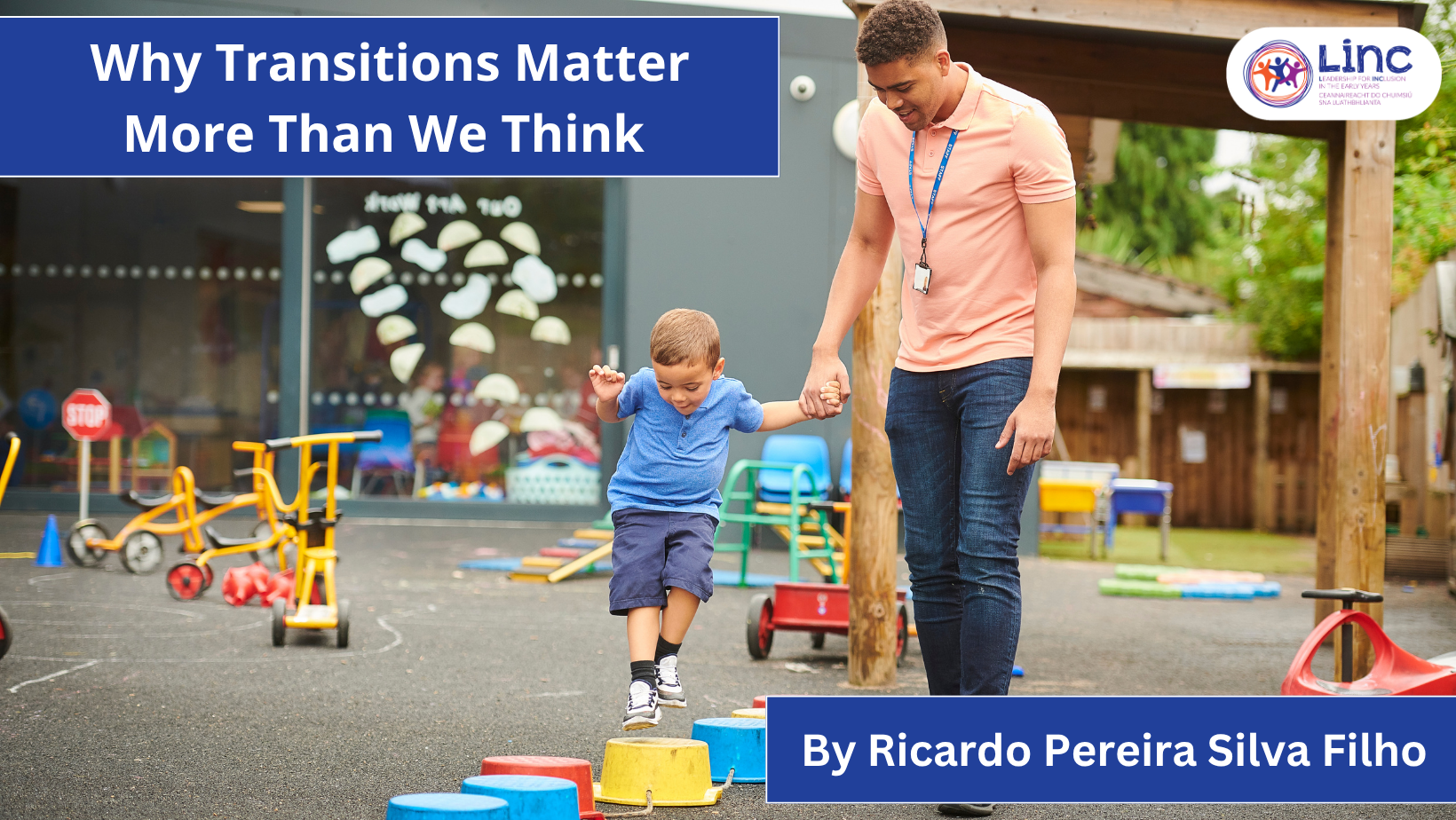
During the day in an Early Learning and Care and School Aged Childcare setting, many things happen. While every day is different, routine has always been something I value. When I chose to work in the early years, one of the things I appreciated most was the predictability. Knowing my working hours allows me to plan my life, spend time with friends and family, and feel less anxious about what comes next.
Thinking about my own experience helps me understand why transitions are so important for the children in my setting. Just as routine gives me a sense of security, predictable transitions can provide children with the same feeling. These moments can be stressful and uncertain for some children. Some are not ready to leave the room, while others need more time to finish what they are doing, process the change, or prepare for the next activity. Observing and recognising these individual needs was the first step towards changing our approach to one that is more flexible and supports children at their own pace. When children feel rushed, they can become frustrated, which can negatively affect their wellbeing, participation and sense of belonging within the group. Before completing the LINC Programme, I thought of transitions mainly as practical parts of the daily routine. I now see them as opportunities to support children’s emotional wellbeing, participation and sense of belonging.
Discussing transitions with my tutor during my mentoring visit encouraged me to reflect on our everyday practice and think differently about how we supported children during these moments. This reflected Aistear’s understanding that transitions are “a process that takes time rather than a once-off event” (GoI 2024). Rather than expecting every child to move at the same pace, I began to see transitions as opportunities to respond to children’s individual needs and provide the time and support they needed to feel secure.
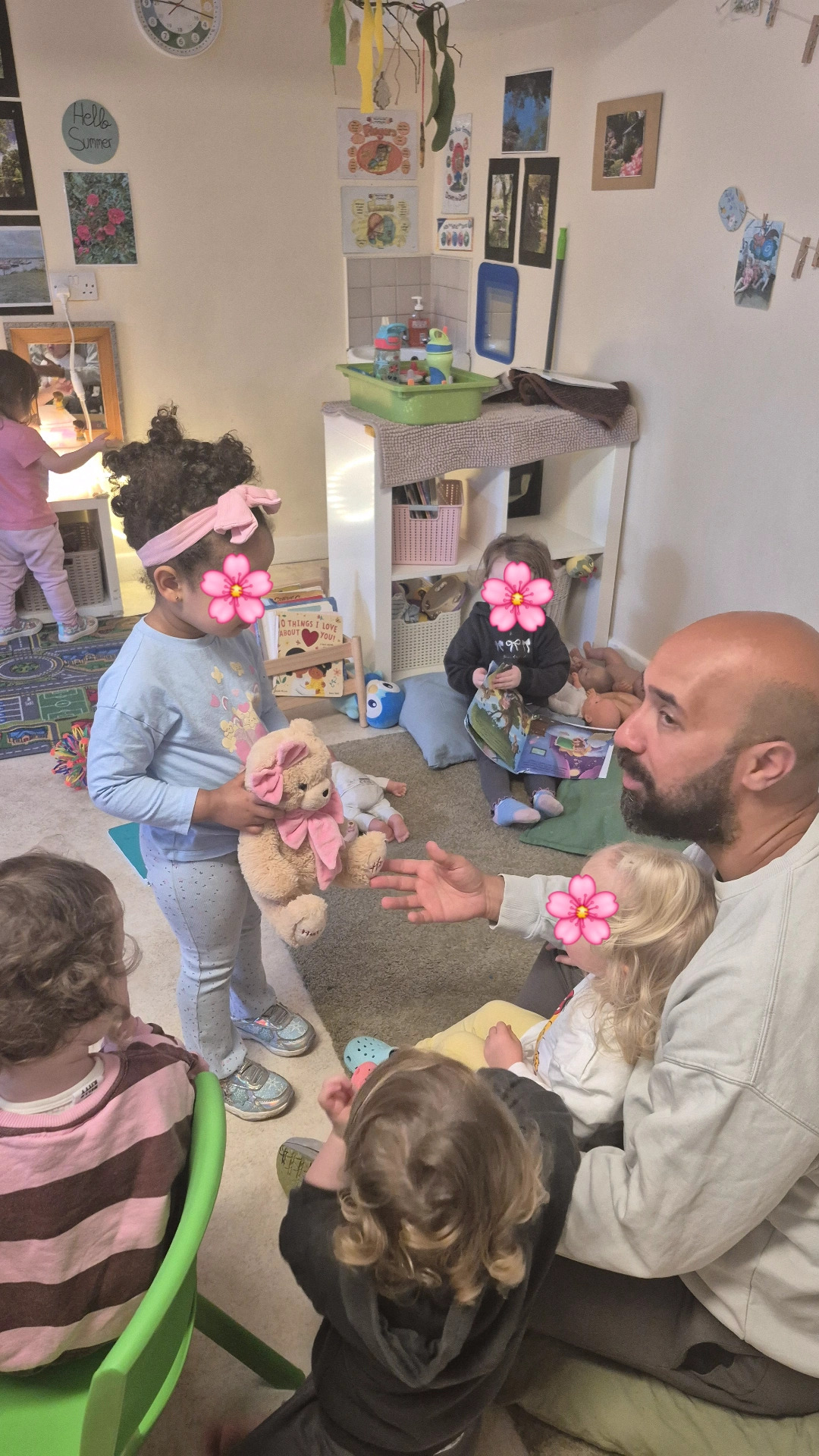
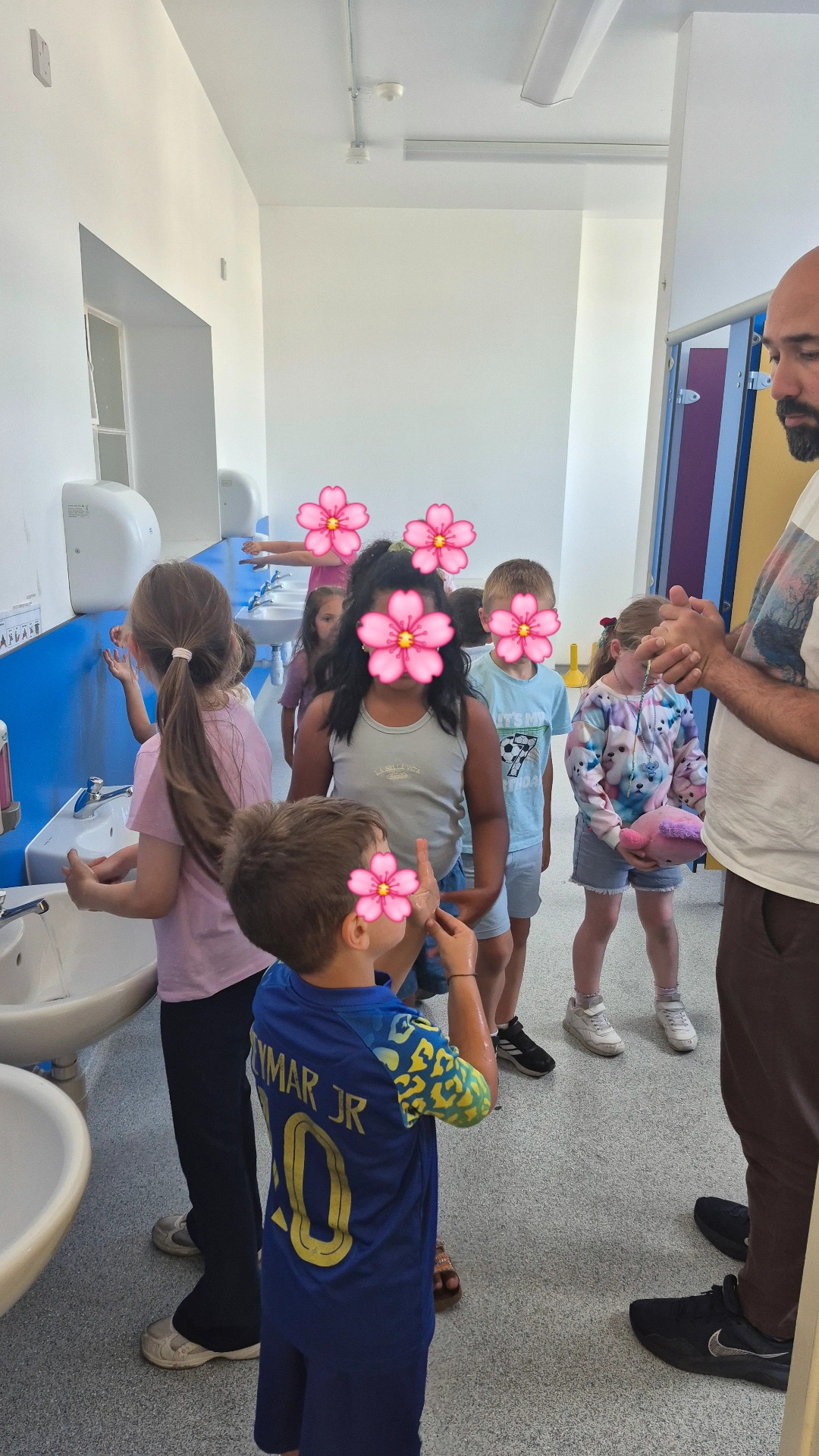
Together as a team, we introduced a simple but effective strategy, before each transition, we let children know how much time they have left to finish what they are doing and remind them of what will happen next. I usually start by saying, “Ten minutes left,” then “Five minutes left,” and finally, “One minute left,” to help them prepare emotionally and feel less anxious about the transition. Looking back, I realise this approach reflects Aistear’s view that transitions are “a process that takes time rather than a once-off event” (GoI 2024). By giving children time to prepare and allowing flexibility during transitions, we are supporting their wellbeing and participation rather than simply moving them from one activity to the next.
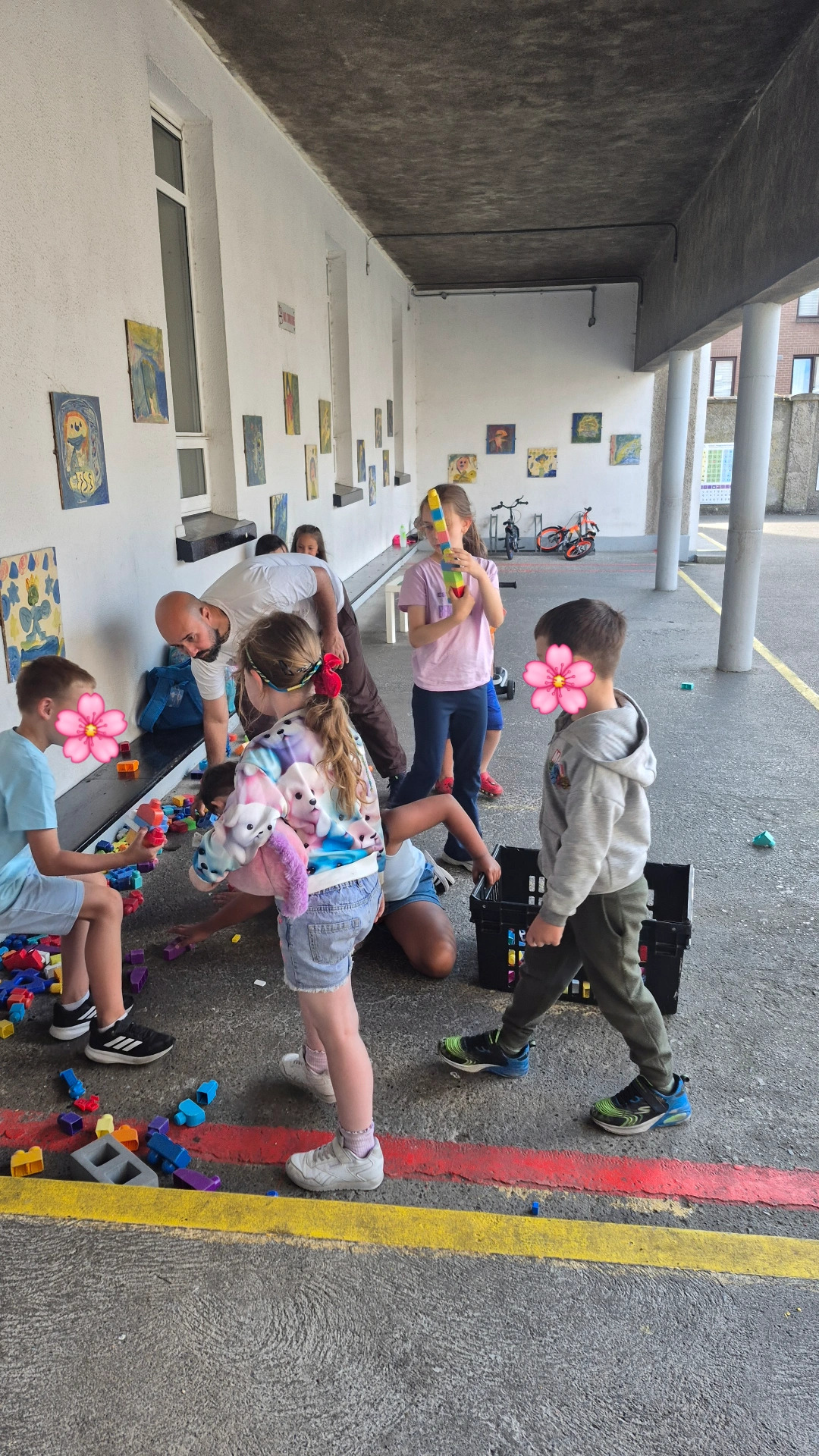
I realised that inclusion does not always require creating new activities. Sometimes it means giving children different ways to participate in everyday routines. Instead of expecting everyone to move at the same time, one educator supports the children who are ready for the next activity, while another remains with those who need a little more time. In this way, transitions happen naturally, without unnecessary pressure, ensuring that every child feels supported and can participate when they are ready. Looking back, I also recognise that this approach reflects Aistear’s emphasis on slow relational pedagogy, where trusting relationships and giving children time are central to supporting successful transitions (GoI 2024).
Since adopting this slower transitional approach, we have noticed positive changes in our setting. Transitions have become calmer, children appear more confident because they know what to expect, and there are fewer moments of frustration or resistance. Children who previously found transitions difficult now have the time and support they need, allowing them to move between activities feeling respected and included. This has strengthened their sense of belonging because they know their individual needs are recognised and valued. Seeing these changes reminded me that small adjustments to our practice can have a significant impact on children’s wellbeing and participation.
My experience in Brazil makes this learning even more meaningful. When I worked in a crèche there in 2016, transitions were highly structured. Children were expected to stop what they were doing and move together with very little preparation. Looking back, I realise that our focus was often on keeping the group together rather than responding to individual children’s needs. Moving to Ireland introduced me to a different philosophy of Early Learning and Care and School Aged Childcare, one that places greater emphasis on children’s rights, participation and inclusion. The LINC Programme has deepened this understanding, helping me appreciate that inclusion is often found in the small everyday moments rather than only in planned activities.
I have come to understand that inclusion is often found in the smallest moments of the day. Every transition is an opportunity to slow down, listen to children and respond to their individual needs. When we do this, children feel safe, respected and confident that they belong. Through the LINC Programme, I have learned that slowing down, listening to children and responding to their individual needs can make a meaningful difference to their daily experiences. By recognising that every child moves at their own pace, we can create environments where all children feel a true sense of belonging and are supported to participate with confidence.
References
Government of Ireland (2024). Aistear: The early childhood curriculum framework, available https://www.curriculumonline.ie/getmedia/1e9e4eff-5d44-4950-bfa6-a28f43895d3f/Aistear-FW-ENG.pdf
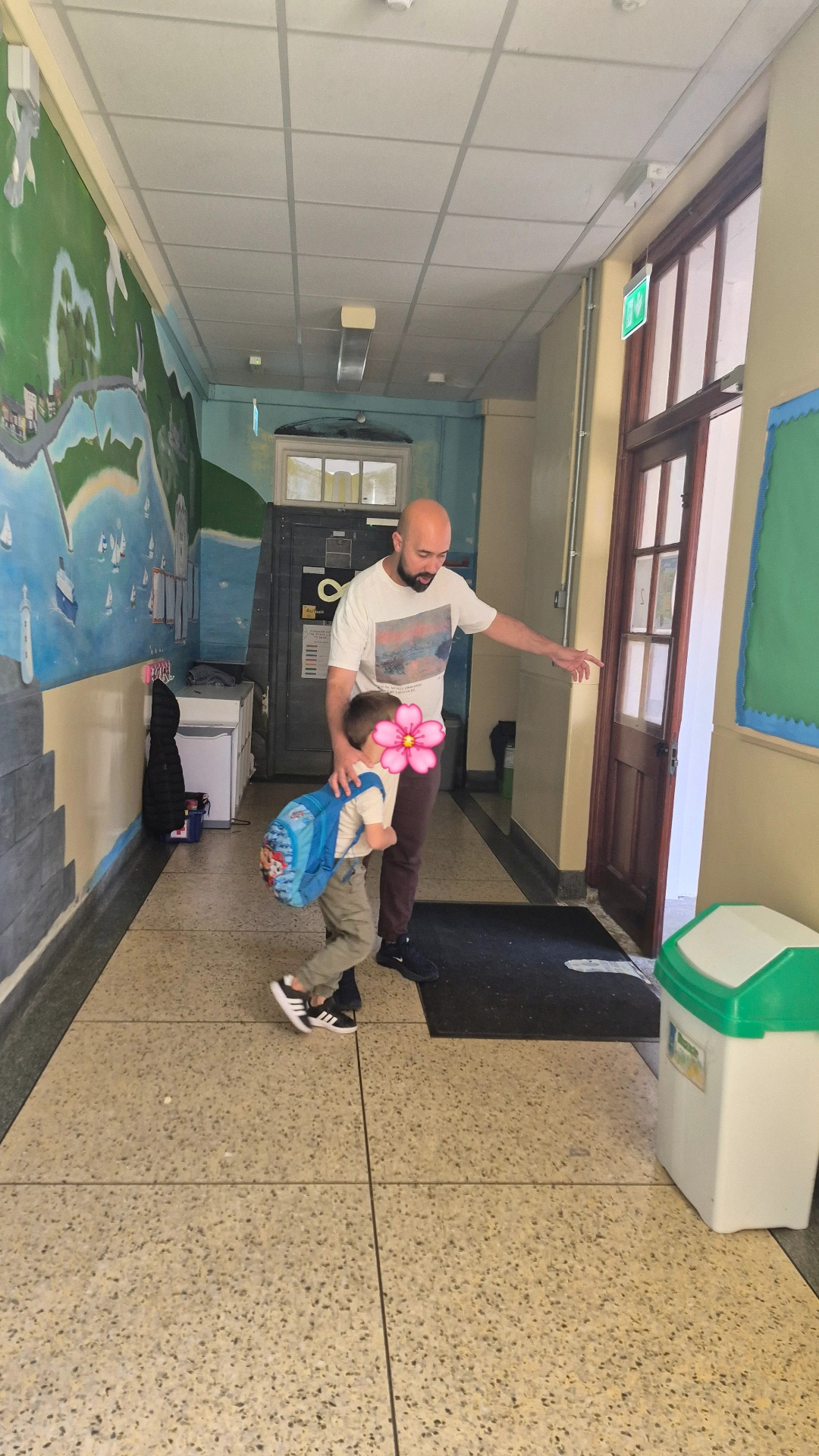
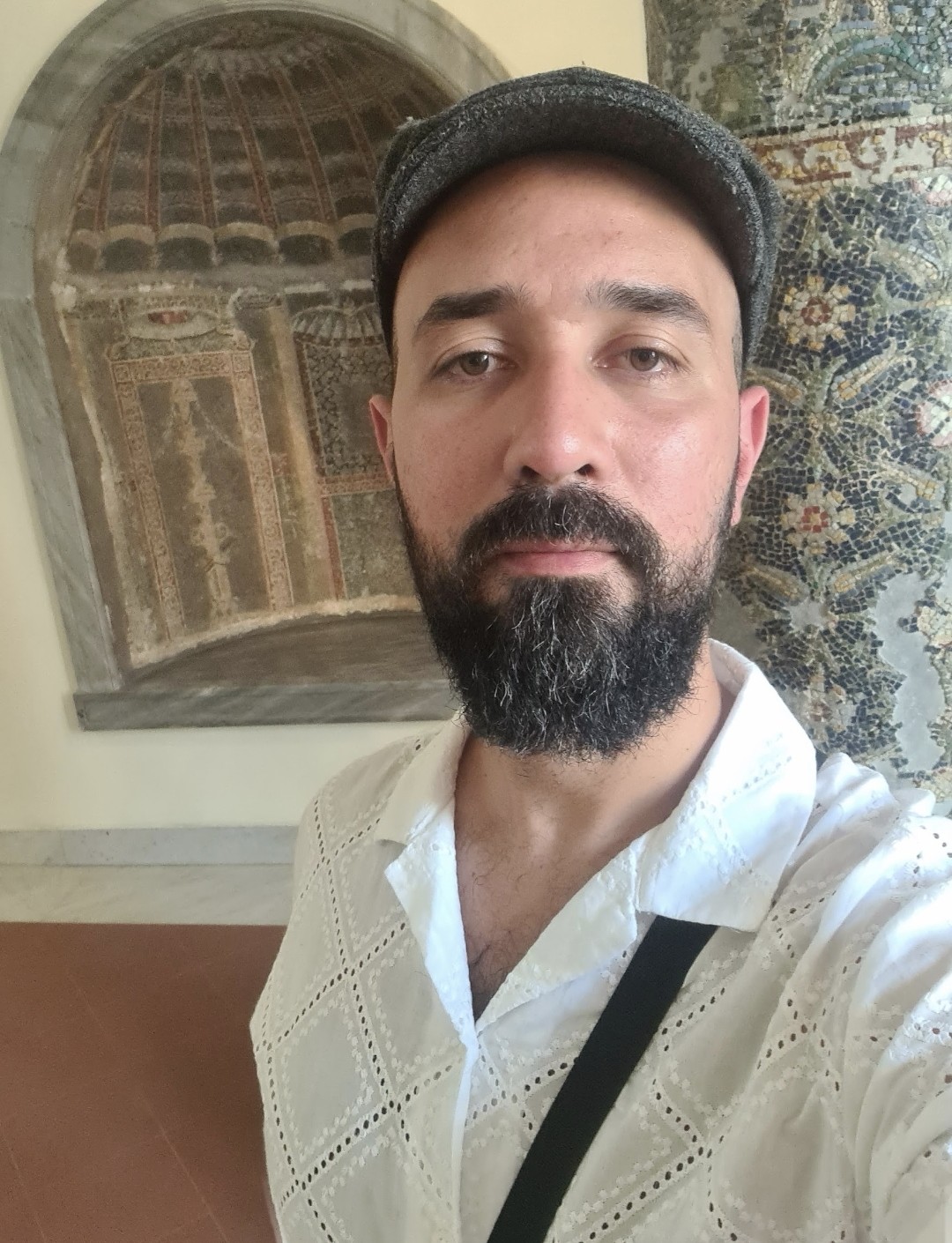
Ricardo Pereira Silva Filho
He completed his QQI Level 5 Early Learning and Care qualification in Ireland and is currently studying the Leadership for INClusion in the Early Years (LINC) Programme to further develop his knowledge of inclusive practice and leadership. Before moving to Ireland, Ricardo earned a Diploma in Communication and Arts from a Federal University in Brazil, which strengthened his communication and interpersonal skills.
Through his studies and experience in early childhood education, Ricardo has come to recognise children as some of our greatest teachers, with their unique perspectives continuing to inspire his practice. Inclusion and diversity are central to his values, with a focus on ensuring that every child feels respected, valued and empowered to participate fully in a supportive learning environment.
You may also like:
10 Years of LINC: Looking Back to Look Forward
10 Years of LINC: Looking Back to Look ForwardIn this edition of the LINC Blog, Dr Claire Butterly, National Coordinator of the LINC Programme, reflects on ten years of LINC and how the programme has evolved alongside our understanding of inclusion. She explores the...
Learning Together, Leading Together: Reflections on Inclusion, Community and Belonging
Learning Together, Leading Together: Reflections on Inclusion, Community and BelongingIn this edition of the LINC Blog, Lucy Madigan, co-owner of Daisy Chain Montessori and Childcare and Inclusion Coordinator, reflects on how her experiences with LINC, LINC+ and...
From Reflection to Action: The Role of Mentoring in the LINC Journey
From Reflection to Action: The Role of Mentoring in the LINC JourneyIn this edition of the LINC Blog, Deputy Coordinator of the LINC Programme Ann Donnellan explores the role of mentoring in the LINC journey. As this year’s mentoring visits get underway, Ann shares...